
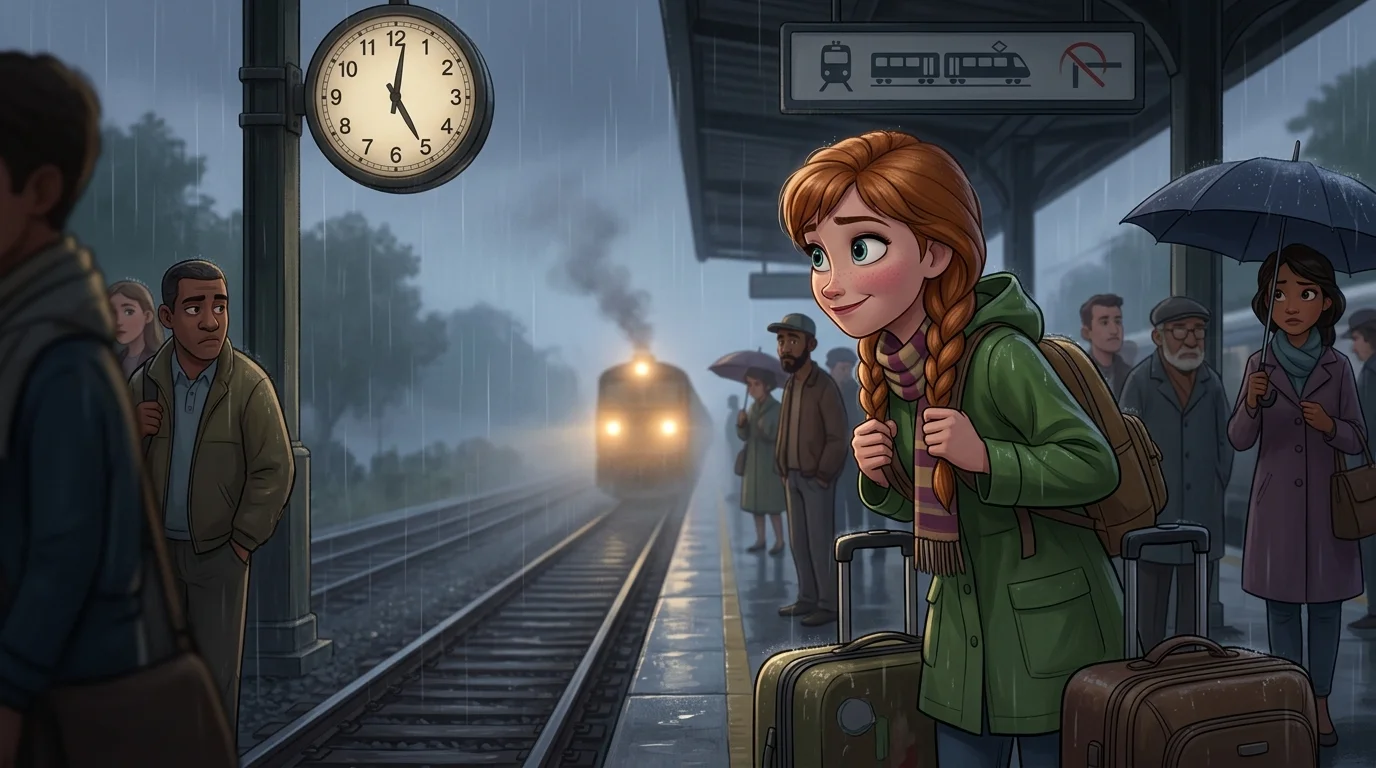
Anticipation Meaning What Does Anticipation Mean?
Quick Definition
Anticipation is the feeling of expecting something to happen or looking forward to a future event.
Simple meaning:
Anticipation means waiting with expectation.
Literal Meaning of Anticipation
The word comes from Latin roots related to:
- Before
- Taking action ahead of time
- Expecting something
It carries the idea of thinking about something before it happens.
Common Meanings of Anticipation
Anticipation can mean:
Excitement:
“I’m filled with anticipation for the concert.”
Meaning:
“I’m excited and looking forward to it.”
Preparation:
“The team planned in anticipation of problems.”
Meaning:
“They prepared before problems happened.”
Expectation:
“She waited in anticipation.”
Meaning:
“She expected something to happen.”
What Tone Does It Convey?
The word anticipation can create different feelings:
Positive:
Excitement and happiness.
Neutral:
Simply expecting something.
Negative:
Nervousness or fear about what may happen.

What Does Anticipation Mean in Different Contexts?
Everyday Conversations
People use anticipation when talking about waiting for something.
Example:
“I’m counting the days in anticipation of my vacation.”
Meaning:
“I’m excited for my vacation.”
Movies and Entertainment
Anticipation is often used when fans are excited about:
- New movies
- Music releases
- Games
- Events
Example:
“There is a lot of anticipation for the new season.”
Meaning:
Many people are eagerly waiting for it.
Business
Companies use anticipation when preparing for future situations.
Example:
“The company increased production in anticipation of higher demand.”
Meaning:
They prepared because they expected more customers.
Sports
Fans and players often experience anticipation before games.
Example:
“The anticipation before the final match was intense.”
Meaning:
People were excited and nervous.
Personal Life
People feel anticipation before:
- Weddings
- Travel
- New jobs
- Celebrations
Origin and History of Anticipation
The word anticipation comes from the Latin word anticipare, meaning “to take before” or “to act beforehand.”
The word developed through languages over time and became associated with expecting future events.
Today, anticipation is commonly used in emotional, social, and professional contexts.
How People Actually Use Anticipation
People use anticipation when describing:
- Excitement about the future
- Preparation for something coming
- Expectations about an outcome
You’ll often see it in:
- News articles
- Reviews
- Conversations
- Social media posts
- Professional writing
When to Use Anticipation
Use anticipation when:
- Someone is excited about something upcoming
- Someone is preparing for something
- People are expecting an event
Examples:
- “The children waited in anticipation for the gifts.”
- “The team prepared in anticipation of challenges.”
When Not to Use Anticipation
Avoid using anticipation when you simply mean:
- Surprise
- Memory
- Something that already happened
Anticipation is focused on the future.
Real Examples of Anticipation in Conversations
Example 1: Event
Person A:
“Are you ready for the wedding?”
Person B:
“Yes, I’m waiting with anticipation.”
Meaning:
They are excited and expecting the event.
Why it was used:
To describe excitement.
Example 2: Movie Release
Person A:
“Everyone is talking about the new movie.”
Person B:
“There’s huge anticipation for it.”
Meaning:
Many people are excited about its arrival.
Why it was used:
To describe public excitement.
Example 3: Exam
Person A:
“How do you feel before the test?”
Person B:
“I feel a mix of anticipation and nervousness.”
Meaning:
They are expecting the upcoming event.
Why it was used:
To describe emotions.
Example 4: Travel
Person A:
“When is your trip?”
Person B:
“Next week. I’m so excited and full of anticipation.”
Meaning:
They are looking forward to the trip.
Why it was used:
To express excitement.
Example 5: Business
Person A:
“Why did they prepare early?”
Person B:
“They acted in anticipation of future changes.”
Meaning:
They planned ahead.
Why it was used:
To explain preparation.
Common Mistakes and Misunderstandings
Mistake 1: Thinking Anticipation Always Means Excitement
Anticipation can also include nervousness or worry.
Mistake 2: Confusing Anticipation With Expectation
They are similar, but anticipation often includes emotion.
Example:
Expectation = believing something will happen.
Anticipation = expecting and emotionally preparing for it.
Mistake 3: Using It for Past Events
Anticipation relates to something that has not happened yet.
Mistake 4: Thinking Anticipation Is Always Positive
Waiting for bad news can also create anticipation.
Similar Terms and Related Words
| Term | Meaning | Difference |
|---|---|---|
| Expectation | Belief something will happen | More focused on belief |
| Excitement | Strong positive feeling | More emotional |
| Hope | Desire for something good | Focuses on wishing |
| Preparation | Getting ready | Focuses on action |
| Prediction | Guessing what will happen | Based on information |
| Suspense | Feeling of uncertainty | Often dramatic |
| Eagerness | Strong desire to do something | More active feeling |
| Forecast | Estimate of the future | Often based on data |
Is Anticipation Positive, Negative, or Neutral?
Anticipation is neutral.
The emotion depends on the situation.
Positive:
- Anticipation of a vacation
- Anticipation of good news
Negative:
- Anticipation of an important decision
- Anticipation of a difficult event
Should You Use Anticipation?
Use anticipation if:
- You want to describe future excitement
- You are talking about preparation
- You are explaining expectations
Avoid using it if:
- You mean something already happened
- A simpler word like “waiting” works better
Related posts:
 What Does “The Hierophant Meaning” Mean? Powerful Tarot Symbolism, Spiritual Insight & Life Guidance 2026
 711 Meaning Explained The Powerful Truth Behind Its Spiritual, Text & Hidden Meanings 2026
 Nolan Name Meaning Explained Amazing Guide to Origin, History, Personality & Symbolism 2026
 Powerful Meaning of Medusa Tattoo Symbolism, History & Hidden Messages 2026