
Gypped Meaning What Does Gypped Mean?
Quick Definition
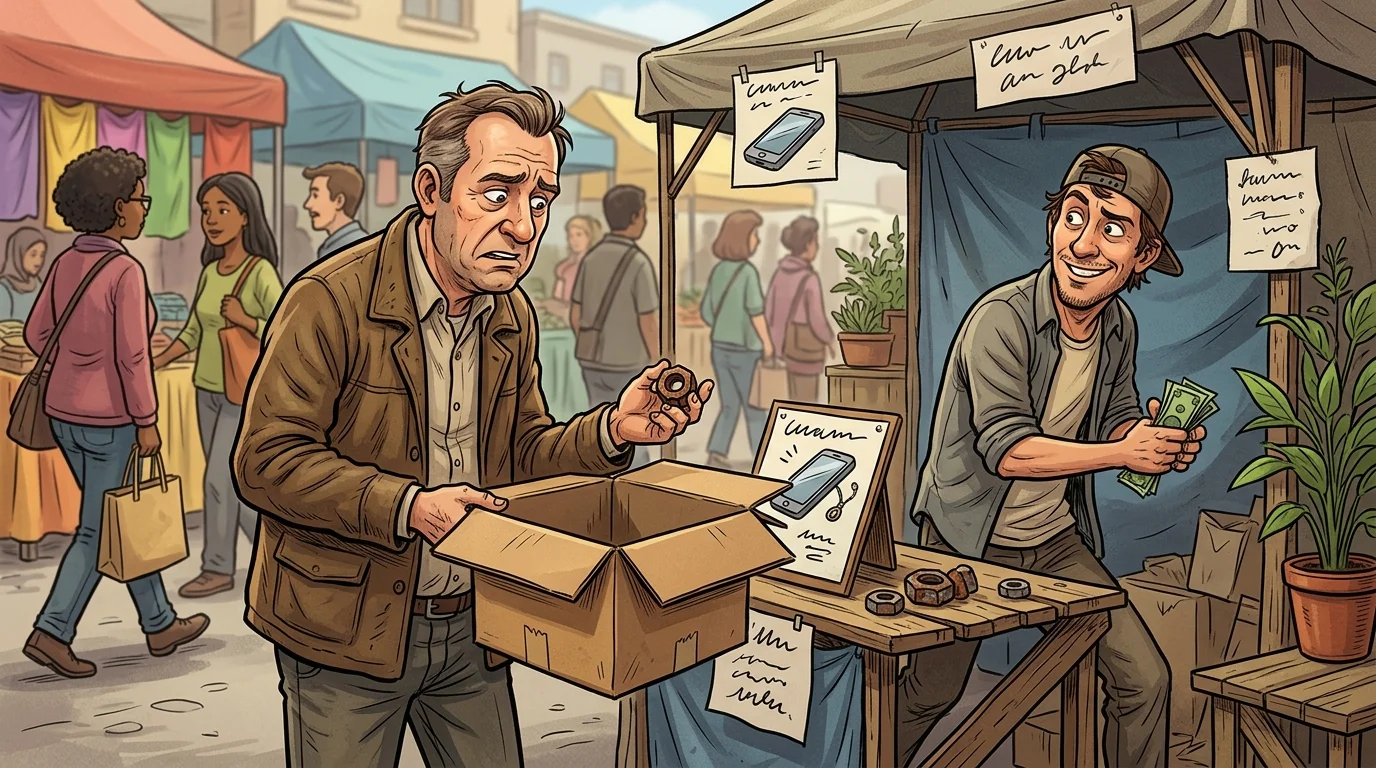
Gypped means being cheated, deceived, or unfairly treated.
Simple meaning:
If someone says they were gypped, they mean they believe they were cheated or didn’t receive what they were promised.
Literal Meaning of Gypped
The word has traditionally been used to describe situations where someone:
- Paid too much
- Received less than expected
- Was tricked
- Was scammed
- Was treated unfairly
What Tone Does It Convey?
The word gypped usually has a:
- Negative tone because it describes an unfair experience.
- Potentially offensive tone because of its historical origin.
What Does Gypped Mean in Different Contexts?
Everyday Conversations
Older speakers may say:
“I got gypped at that store.”
Meaning:
They feel they were overcharged or treated unfairly.
Shopping
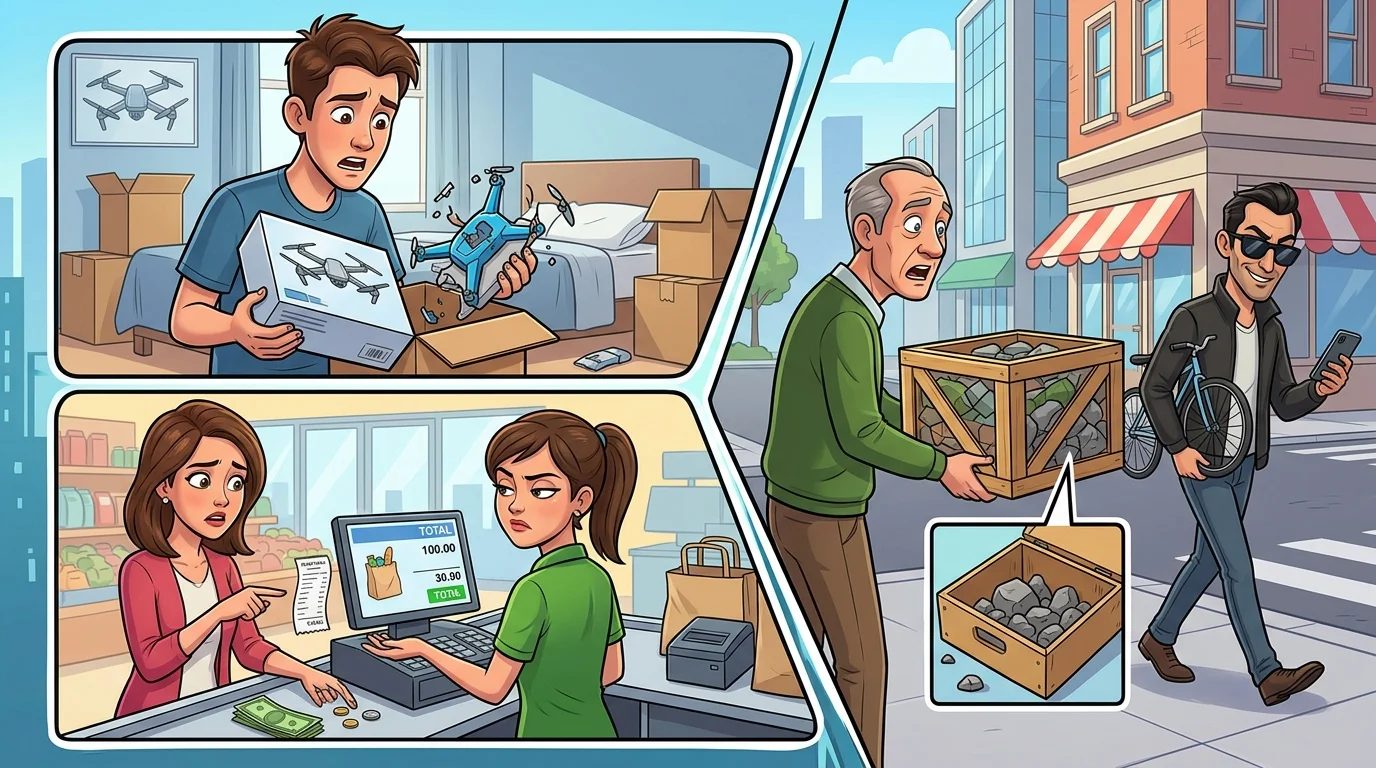
Someone might use it after buying a product that wasn’t as advertised.
Online Discussions
Many people now avoid the word and instead say:
- I got scammed.
- I got ripped off.
- I got cheated.
Origin and History of Gypped
The word gypped is believed to come from “Gypsy,” a historical term used for the Romani people, an ethnic group with origins in South Asia.
For many years, harmful stereotypes falsely portrayed Romani people as dishonest. Because of these stereotypes, the word gypped came to mean “cheated.”
Today, many dictionaries and language experts note that the term can be offensive because it reinforces negative ethnic stereotypes.
How People Actually Use Gypped
Although some people still use the word casually, many avoid it because of its origin.
Instead, you’ll commonly hear:
- “I got ripped off.”
- “I was scammed.”
- “They cheated me.”
- “I didn’t get what I paid for.”
These alternatives express the same idea without using language that may offend others.
Real Examples of Gypped in Conversations
Example 1
Person A:
“How was the concert?”
Person B:
“I felt gypped because the headline act only played for 20 minutes.”
Meaning:
The speaker felt they didn’t get good value.
Why it was used:
To express disappointment.
Example 2
Person A:
“The seller never shipped my order.”
Person B:
“Sounds like you got scammed.”
Better alternative:
Use “scammed” instead of “gypped.”
Example 3
Person A:
“I paid full price for a broken phone.”
Person B:
“You were definitely ripped off.”
Better alternative:
“Ripped off” is a common modern replacement.
Example 4
Person A:
“Why don’t people use ‘gypped’ as much anymore?”
Person B:
“Because many consider it offensive due to its origin.”
Meaning:
The word’s history has changed how it’s viewed today.
Example 5
Person A:
“I didn’t receive everything I paid for.”
Person B:
“You should ask for a refund.”
Better alternative:
Describe the situation directly instead of using the term.
Common Mistakes and Misunderstandings
Mistake 1: Thinking Gypped Is Harmless
Many people are unaware of the word’s connection to stereotypes about the Romani people.
Mistake 2: Assuming Everyone Accepts the Word
Some people may find the term offensive, even if no offense was intended.
Mistake 3: Using It in Professional Writing
Most editors and style guides recommend avoiding the term in formal or public communication.
Mistake 4: Believing It Is a Neutral Synonym
Although many older speakers use it casually, its historical background makes it different from neutral words like “cheated.”
Similar Words and Better Alternatives
| Word | Meaning | Difference |
|---|---|---|
| Cheated | Treated unfairly | Neutral and widely accepted |
| Scammed | Victim of fraud | Common modern choice |
| Ripped off | Paid too much or deceived | Informal alternative |
| Swindled | Deceived for financial gain | More formal |
| Defrauded | Cheated through fraud | Legal or formal context |
| Overcharged | Charged too much | Specific situation |
| Deceived | Misled | Broad meaning |
| Misled | Given false information | Neutral alternative |
Is Gypped Positive, Negative, or Neutral?
Gypped is a negative word.
In addition to describing being cheated, it is also considered by many to be an offensive term because of its historical connection to ethnic stereotypes.
Should You Use Gypped?
Use gypped only if:
- You’re discussing its meaning or history.
- You’re quoting historical material where accuracy requires it.
Avoid using gypped if:
- You’re describing being cheated in everyday conversation.
- You’re writing professionally or publicly.
- You want to avoid language that may offend readers.
Better alternatives include:
- Cheated
- Scammed
- Ripped off
- Swindled
- Overcharged
Related posts:
 What Does “The Hierophant Meaning” Mean? Powerful Tarot Symbolism, Spiritual Insight & Life Guidance 2026
 Nolan Name Meaning Explained Amazing Guide to Origin, History, Personality & Symbolism 2026
 Pervert Meaning Explained Essential Guide to the True Definition, Examples & Everyday Uses 2026
 Drift Meaning Made Simple Easy Guide to Text, Slang & Social Media 2026