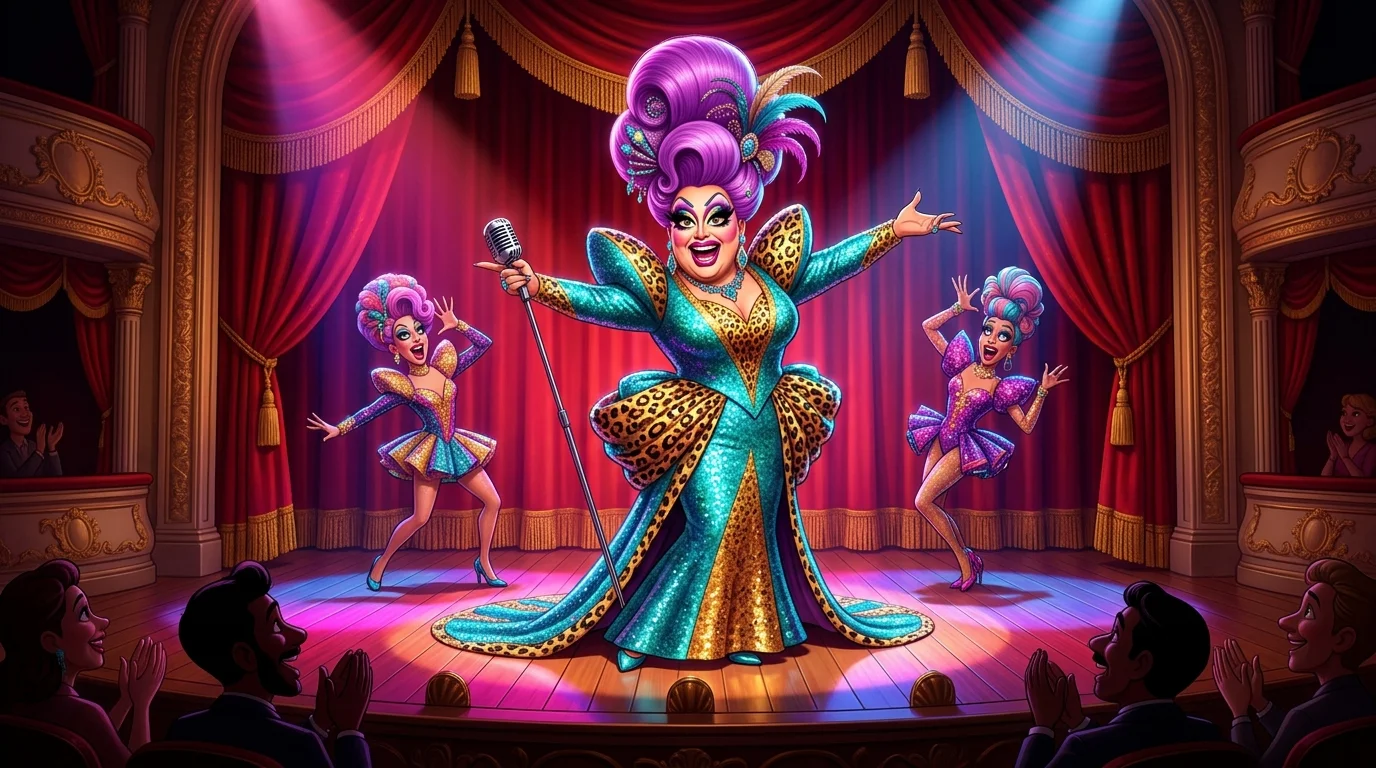
Campy Meaning Definition and Explanation
Quick Definition
Campy means intentionally exaggerated, theatrical, cheesy, or overly dramatic in an entertaining way.
Rather than aiming for realism, campy works often embrace artificiality, humor, and bold style.
What Does Campy Usually Mean?
When something is described as campy, it often has one or more of these qualities:
- Over-the-top acting.
- Bright or extravagant costumes.
- Dramatic dialogue.
- Playful humor.
- Intentional cheesiness.
- Stylized performances.
The goal is usually to entertain through exaggeration rather than realism.
What Tone Does Campy Convey?
The word campy can have different tones depending on the speaker.
It may be:
- Positive – Admiring its creativity and fun.
- Playful – Celebrating its dramatic style.
- Neutral – Simply describing a genre or aesthetic.
- Lightly critical – Suggesting something feels overly theatrical.
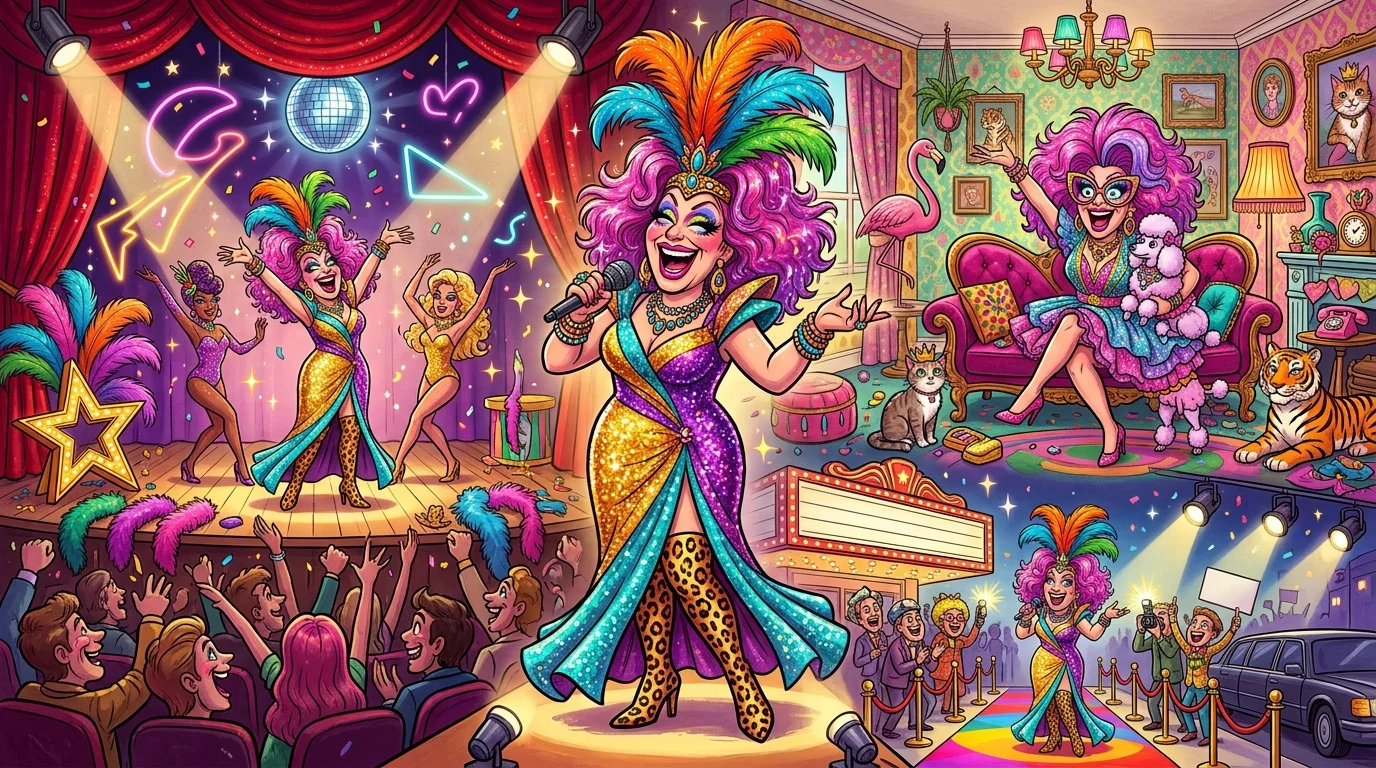
Campy Meaning in Different Contexts
Movies
A campy movie often features exaggerated acting, colorful visuals, dramatic villains, or intentionally unrealistic storytelling.
Example:
A classic superhero film with theatrical performances and humorous dialogue.
Television
Some TV shows become popular because they fully embrace a campy style with dramatic characters and over-the-top situations.
Fashion
Campy fashion celebrates bold creativity through oversized accessories, unusual fabrics, dramatic makeup, and eye-catching designs.
Theater
Stage productions often use campy elements to entertain audiences with exaggerated performances and visual spectacle.
Social Media
People may describe a video, outfit, or performance as campy if it’s intentionally dramatic, funny, or extravagantly styled.
Pop Culture
The word frequently appears in discussions about celebrities, award shows, drag performances, and iconic entertainment moments.
Origin and History of Campy
The adjective campy comes from the word camp, a term that has been associated with theatricality, exaggerated style, and playful artificiality for many decades. The exact origin of the slang sense is uncertain, but it became especially well known in artistic and LGBTQ+ communities during the 20th century.
The concept gained widespread public attention after writer Susan Sontag published her influential 1964 essay “Notes on ‘Camp,'” which explored camp as an aesthetic that appreciates exaggeration, irony, and style. Since then, the word campy has become a common way to describe entertainment and fashion that intentionally embraces these qualities.
How People Actually Use Campy
Most people use campy to describe entertainment or style that’s intentionally dramatic and enjoyable.
You’ll often hear it when talking about:
- Horror movies.
- Cult classic films.
- Superhero shows.
- Fashion events.
- Drag performances.
- Musical theater.
- Halloween costumes.
When to Use It
Use campy when describing something that:
- Intentionally exaggerates reality.
- Embraces theatrical style.
- Doesn’t take itself too seriously.
- Uses humor through excess.
When Not to Use It
Avoid using campy when describing:
- Serious documentaries.
- Realistic dramas.
- Formal business presentations.
- Everyday situations without exaggerated style.
Real Examples of Campy in Conversations
Example 1
Person A: Did you like the movie?
Person B: Yes! It was wonderfully campy.
Meaning: The movie was intentionally exaggerated and entertaining.
Why it was used: Praising its style.
Example 2
Person A: That outfit is wild.
Person B: It’s supposed to be campy.
Meaning: The dramatic look is intentional.
Why it was used: Explaining fashion choices.
Example 3
Person A: The acting was so dramatic.
Person B: That’s part of the campy charm.
Meaning: The exaggeration adds to the entertainment.
Why it was used: Describing a film.
Example 4
Person A: Is this horror movie scary?
Person B: It’s more campy than frightening.
Meaning: It’s exaggerated and fun rather than terrifying.
Why it was used: Setting expectations.
Example 5
Person A: Why is everyone dressed like that?
Person B: It’s a campy costume party.
Meaning: Guests are wearing exaggerated outfits.
Why it was used: Explaining the theme.
Example 6
Person A: That performance was unforgettable.
Person B: It was incredibly campy.
Meaning: Highly theatrical and entertaining.
Why it was used: Complimenting the show.
Example 7
Person A: Should I take this movie seriously?
Person B: Not really—it’s intentionally campy.
Meaning: The movie embraces humor and exaggeration.
Why it was used: Explaining the style.
Example 8
Person A: The costumes are outrageous.
Person B: That’s what makes them campy.
Meaning: Their extravagance is intentional.
Why it was used: Fashion discussion.
Example 9
Person A: The villain is hilarious.
Person B: That’s classic campy storytelling.
Meaning: Over-the-top performances are part of the appeal.
Why it was used: Discussing movies.
Example 10
Person A: I love dramatic musicals.
Person B: Then you’ll probably enjoy campy productions.
Meaning: Exaggerated theatrical performances.
Why it was used: Recommendation.
Common Mistakes and Misunderstandings
Many people confuse campy with words like “bad,” “cheesy,” or “corny.”
Common misunderstandings include:
- Thinking campy always means low quality.
- Assuming it describes accidental bad acting.
- Believing all funny movies are campy.
- Using it to describe realistic dramas.
In reality, many campy works intentionally exaggerate style as part of their artistic appeal.
Similar Words and Related Terms
| Word | Meaning | Difference |
|---|---|---|
| Cheesy | Corny or overly sentimental | May not be intentional |
| Theatrical | Dramatic performance | Broader meaning |
| Over-the-top | Excessively dramatic | Doesn’t always imply camp |
| Quirky | Unusual or eccentric | Less exaggerated |
| Kitsch | Art considered overly sentimental or flashy | Focuses on aesthetic taste |
| Satirical | Uses humor to criticize | Different purpose |
| Melodramatic | Emotionally exaggerated | More serious tone |
| Eccentric | Unconventional | Broader personality trait |
| Whimsical | Playfully imaginative | Softer tone |
| Extravagant | Lavish and elaborate | Doesn’t necessarily involve humor |
Is Campy Positive, Negative, or Neutral?
The campy meaning is generally neutral, but its tone depends on the speaker.
Many fans use it positively to celebrate creativity, humor, and bold artistic choices. Others may use it critically if they feel something is too exaggerated or unrealistic.
Should You Use Campy?
Use it if:
- You’re discussing movies or TV shows.
- You’re describing bold fashion.
- You’re talking about theatrical performances.
- You want to highlight intentional exaggeration.
Avoid it if:
- You’re describing realistic or serious works.
- Your audience may not understand the term.
- You mean “bad” rather than intentionally exaggerated.
Related posts:
 What Does “The Hierophant Meaning” Mean? Powerful Tarot Symbolism, Spiritual Insight & Life Guidance 2026
 711 Meaning Explained The Powerful Truth Behind Its Spiritual, Text & Hidden Meanings 2026
 Nolan Name Meaning Explained Amazing Guide to Origin, History, Personality & Symbolism 2026
 Beautiful Charlotte Meaning What Does Charlotte Mean, Origin, Personality & More 2026