What Does Samurai Meaning Mean?
Quick Definition of Samurai Meaning
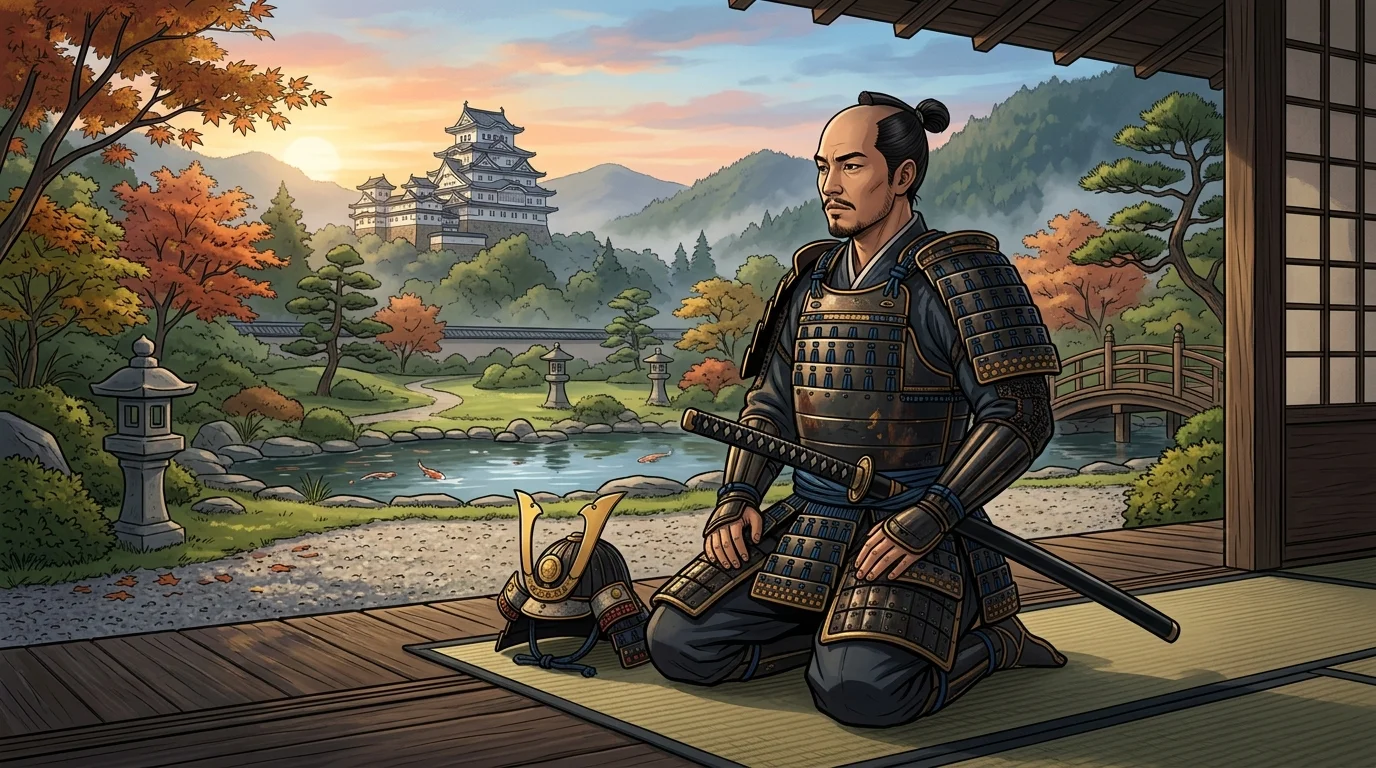
The samurai meaning refers to a Japanese warrior belonging to a historic military class that served nobles and followed principles of loyalty and honor.
Literal Meaning
The word samurai comes from the Japanese verb saburau, meaning:
- To serve
- To attend
- To serve a master
This reflects the samurai’s original role as a servant-warrior.
What Were Samurai?
Samurai were:
- Skilled warriors
- Military leaders
- Protectors of feudal lords
- Members of Japan’s warrior class
They were known for:
- Swordsmanship
- Discipline
- Strategy
- Loyalty
What Tone Does Samurai Convey?
The word usually has a strong and positive tone.
Powerful:
- Strength
- Skill
Respectful:
- Honor
- Discipline
Historical:
- Connected to Japanese tradition
Inspirational:
- Courage and dedication
Samurai Meaning in Different Contexts
History
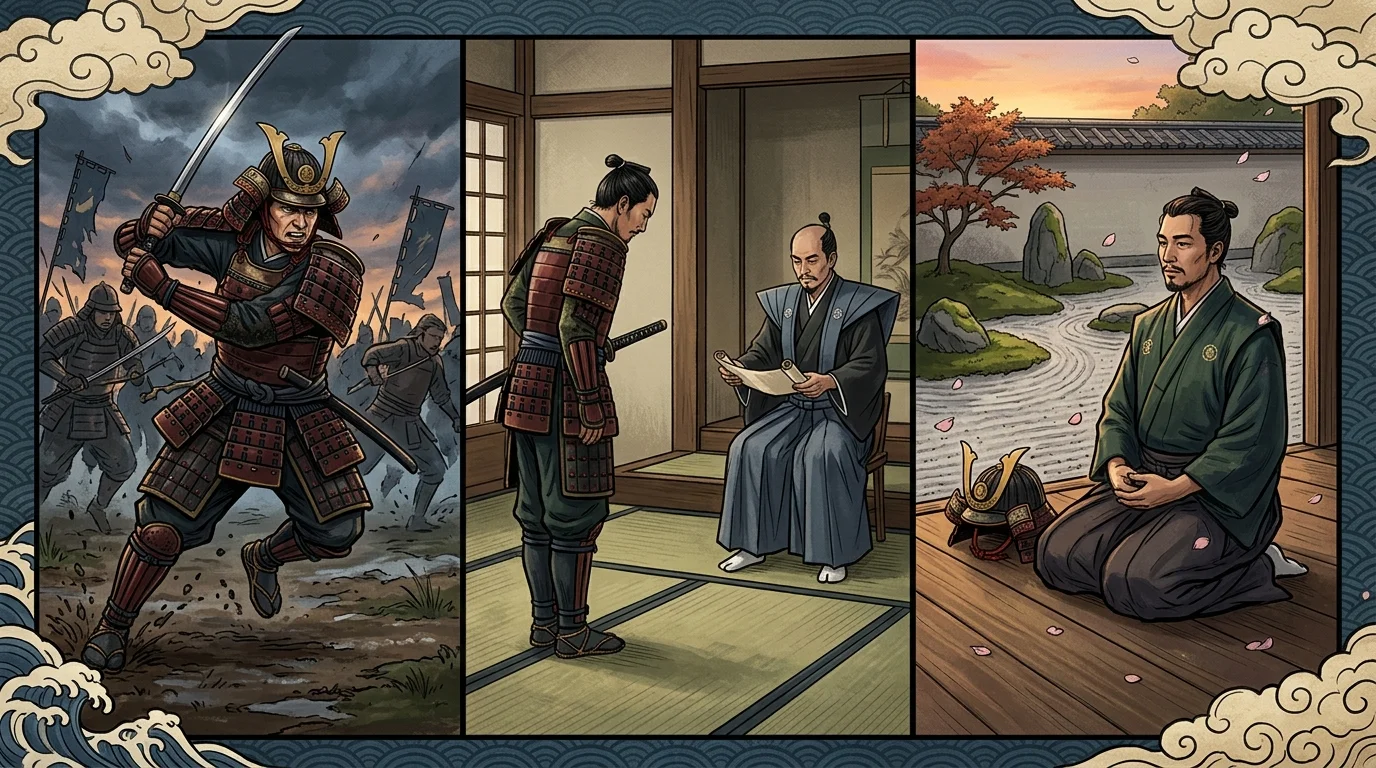
In history, samurai refers to warriors who existed in Japan for centuries, especially during the feudal period.
They served leaders called daimyo and protected territories.
Movies and TV
In entertainment, samurai are often shown as:
- Sword fighters
- Noble warriors
- Heroes with strong morals
Anime and Manga
Samurai characters often represent:
- Honor
- Personal growth
- Fighting for justice
Video Games
In gaming, samurai may refer to:
- Warrior characters
- Fighting styles
- Japanese-inspired classes
Modern Use
Today, people may call someone a “samurai” metaphorically to describe:
- Discipline
- Focus
- Determination
Example:
“He works like a samurai.”
Meaning:
He is focused and dedicated.
Origin and History of Samurai
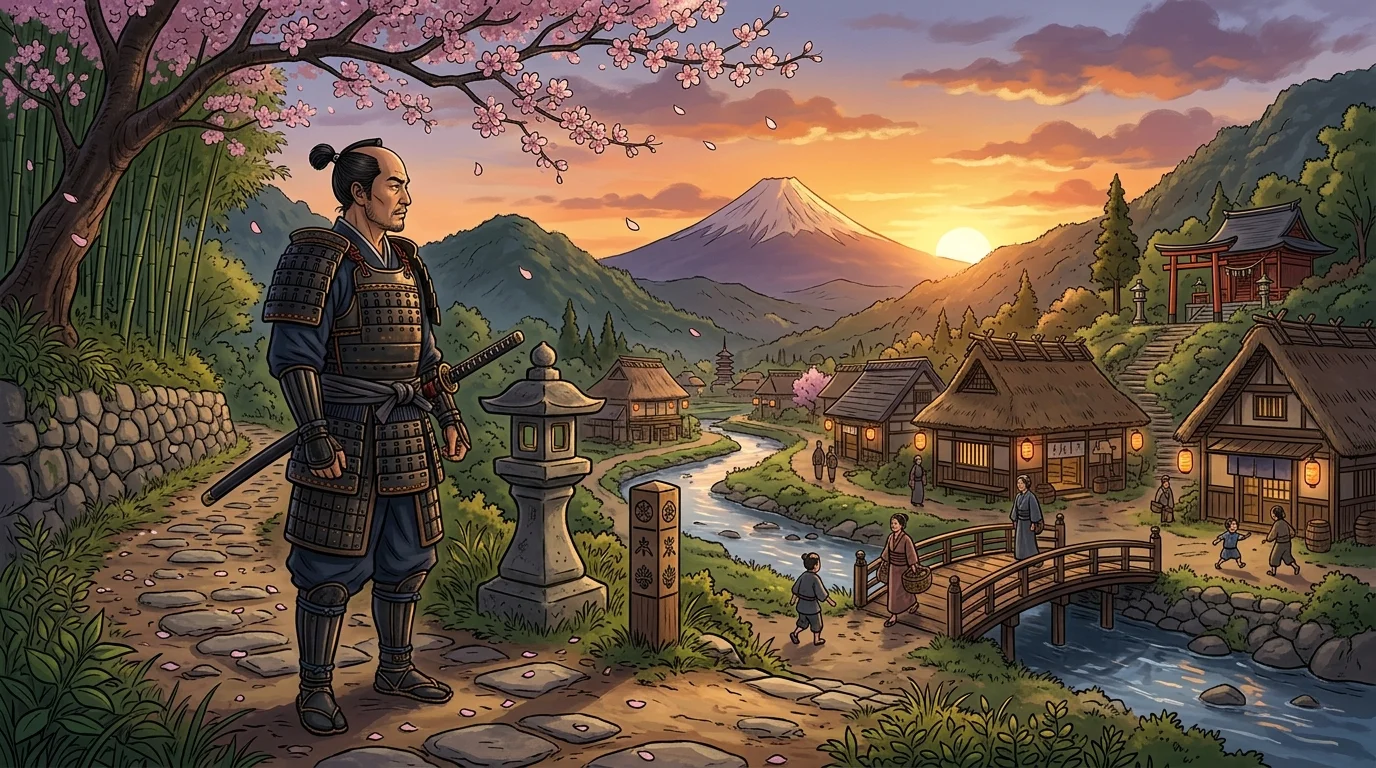
The samurai developed in Japan around the early medieval period as military groups became important for protecting land and political power.
Over time, samurai became a powerful social class. During the rule of military governments called shogunates, they played a major role in Japanese society.
Samurai followed ideas connected with Bushido, often described as a warrior code involving:
- Loyalty
- Courage
- Respect
- Self-discipline
The samurai class declined during Japan’s modernization in the 19th century, but their cultural influence remains strong today.
How People Actually Use Samurai
Most people use samurai when discussing:
- Japanese history
- Martial arts
- Movies
- Anime
- Games
- Personal discipline
When to Use It
Use samurai when:
- Talking about Japanese warriors.
- Discussing historical topics.
- Describing warrior-like qualities.
Examples:
- “The samurai were skilled fighters.”
- “That character has a samurai spirit.”
When Not to Use It
Avoid using samurai incorrectly for:
- Any random fighter
- All Japanese people
- Modern soldiers
Samurai specifically refers to a historical warrior class.
Most People Use It When…
People commonly mention samurai in:
- Pop culture
- Gaming communities
- History discussions
- Motivational content
Real Examples of Samurai in Conversations
Example 1: History
Person A:
“Who were the samurai?”
Person B:
“They were Japanese warriors.”
Meaning:
Historical explanation.
Why it was used:
Discussing history.
Example 2: Movies
Person A:
“What type of movie is this?”
Person B:
“It’s about samurai.”
Meaning:
A film featuring Japanese warriors.
Why it was used:
Entertainment context.
Example 3: Gaming
Person A:
“What character are you playing?”
Person B:
“A samurai.”
Meaning:
A warrior-style game character.
Why it was used:
Gaming context.
Example 4: Personality
Person A:
“How do you stay focused?”
Person B:
“I follow a samurai mindset.”
Meaning:
A disciplined approach.
Why it was used:
Inspirational meaning.
Example 5: Social Media
Person A:
“Your work ethic is amazing.”
Person B:
“Samurai discipline.”
Meaning:
Strong dedication.
Why it was used:
Motivational expression.
Common Mistakes and Misunderstandings
Thinking Samurai Were Only Swordsmen
Samurai were warriors and also had roles in government, leadership, and society.
Thinking All Samurai Were the Same
Different samurai had different ranks, duties, and lifestyles.
Confusing Samurai With Ninja
Samurai and ninja were different groups with different roles, although both are connected to Japanese history.
Similar Terms and Related Words
| Term | Meaning | Difference |
|---|---|---|
| Samurai | Japanese warrior class | Main term |
| Ninja | Covert Japanese agent/warrior | Different role |
| Shogun | Military ruler of Japan | Leader of samurai |
| Daimyo | Powerful feudal lord | Samurai’s master |
| Ronin | Samurai without a master | Independent warrior |
| Bushido | Warrior code | Values, not a person |
| Warrior | Fighter or soldier | General term |
| Knight | European warrior class | Similar but different culture |
Is Samurai Positive, Negative, or Neutral?
Samurai is generally positive or neutral.
Positive associations:
- Honor
- Discipline
- Courage
- Skill
Neutral meaning:
- Historical description
The meaning depends on the context.
Should You Use Samurai?
Use It If:
- Talking about Japanese history.
- Discussing games or movies.
- Describing discipline or warrior qualities.
Avoid It If:
- Referring to all Japanese people.
- Using it without understanding the historical meaning.
Related posts:
 Bubba Meaning Revealed The Surprising Story Behind This Friendly Nickname 2026
 Gloomy Meaning Explained Powerful Definition, Examples, Feelings & Complete Guide 2026
 Proclivity Meaning Explained Powerful Guide to Definition, Examples & Everyday Uses 2026
 Rainbow Moonstone Meaning The Best Ultimate Guide to Its Powerful Symbolism, Benefits & Spiritual Uses 2026