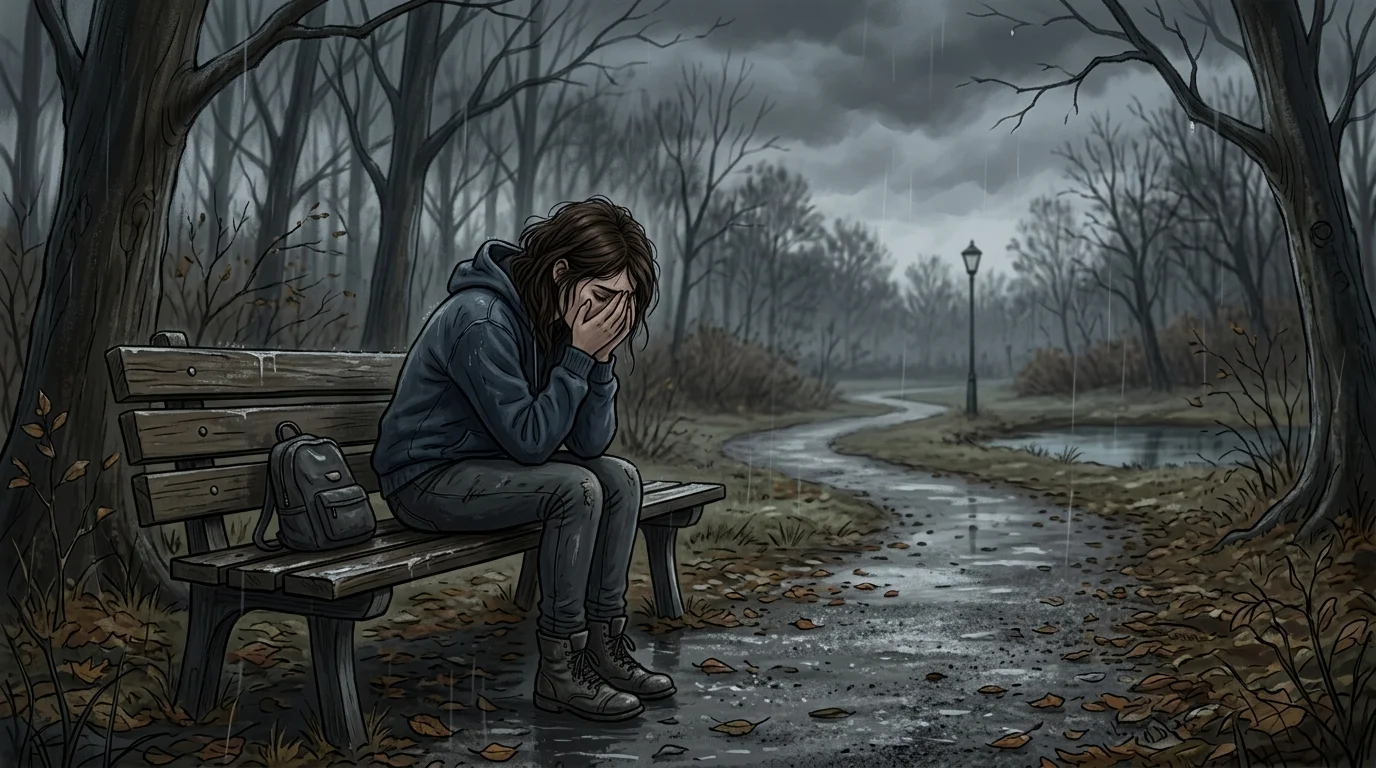
What Does “Gloomy Meaning” Mean?
Quick Definition
Gloomy means dark, sad, depressing, or causing feelings of unhappiness or concern.
It can describe:
- A mood
- A place
- Weather
- A situation
- A prediction
What It Usually Means in Everyday Language
People use gloomy to describe something that feels negative or without hope.
Examples:
- A gloomy mood = a sad mood
- Gloomy weather = dark and cloudy weather
- A gloomy future = a worrying future
What Tone Does It Convey?
The word “gloomy” usually has a:
- Negative tone: Related to sadness or difficulty
- Serious tone: Used for concerns or problems
- Emotional tone: Describes feelings and atmosphere
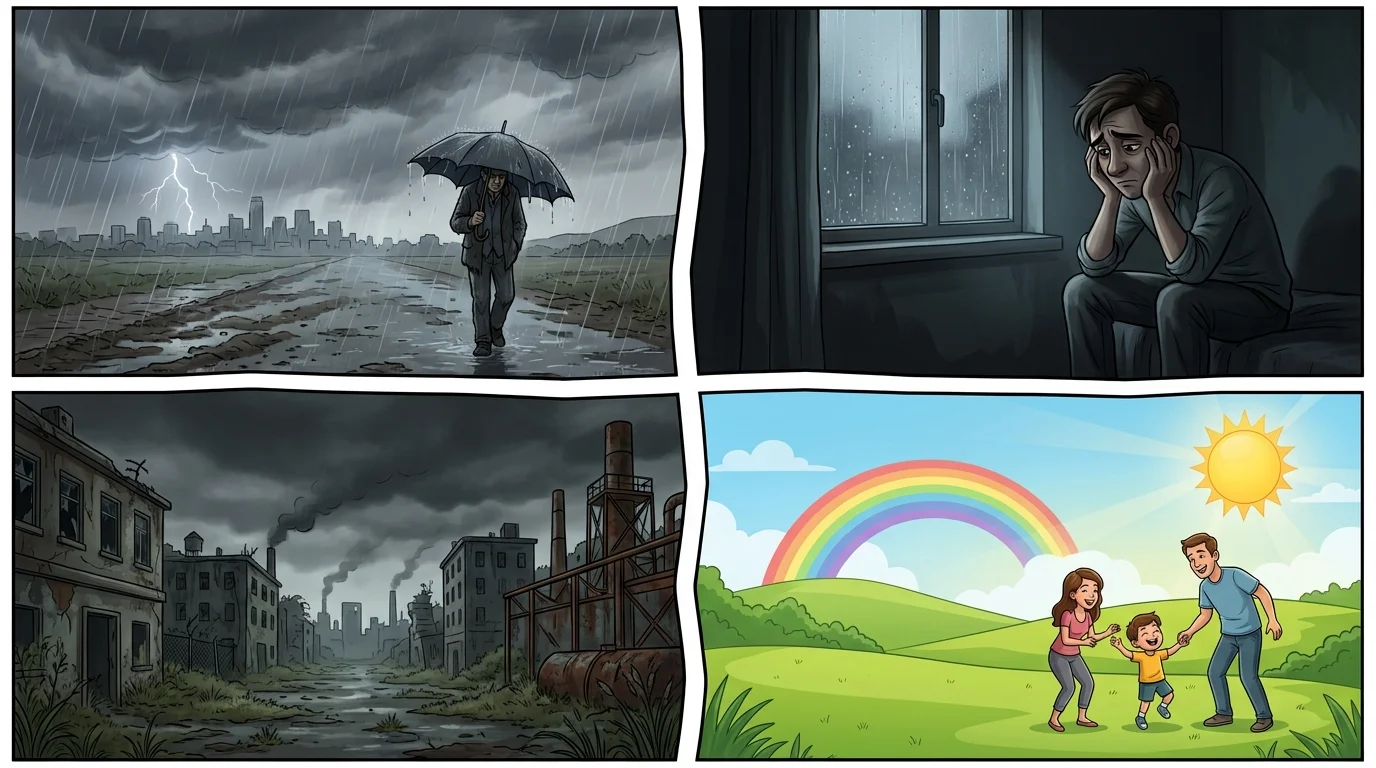
What Does Gloomy Mean in Different Contexts?
Gloomy Meaning for Feelings
When describing a person, gloomy means they seem sad, unhappy, or discouraged.
Example:
“She felt gloomy after hearing the news.”
Meaning:
She felt sad or upset.
Gloomy Meaning for Weather
Gloomy weather usually means:
- Dark skies
- Clouds
- Little sunshine
- A dull atmosphere
Example:
“It was a gloomy morning.”
Meaning:
The weather felt dark or depressing.
Gloomy Meaning for Places
A place can be called gloomy if it feels:
- Dark
- Empty
- Unwelcoming
Example:
“The old house looked gloomy.”
Meaning:
The house had a dark or unpleasant feeling.
Gloomy Meaning for Situations
A situation can be gloomy when it appears negative.
Example:
“The economic outlook looks gloomy.”
Meaning:
The future seems uncertain or difficult.
Origin and History of Gloomy
The word gloomy comes from the older English word “gloom,” which originally referred to darkness or dim light.
Over time, the meaning expanded from physical darkness to emotional darkness, such as sadness, hopelessness, or negativity.
Today, gloomy is commonly used for both literal darkness and emotional feelings.
How People Actually Use Gloomy
Most people use gloomy in:
- Daily conversations
- Writing
- News discussions
- Movies and stories
- Emotional descriptions
When It Is Used Correctly
Example:
“His gloomy attitude affected the whole group.”
Meaning:
His negative mood influenced others.
When Not to Use It
Avoid using gloomy when you only mean tired or quiet.
Someone being calm does not always mean they are gloomy.
Real Examples of Gloomy in Conversations
Example 1: Mood
Person A: Why is she so quiet today?
Person B: She seems gloomy.
Meaning: She appears sad or unhappy.
Example 2: Weather
Person A: How is the weather outside?
Person B: It’s gloomy and cloudy.
Meaning: The weather is dark and dull.
Example 3: Future Plans
Person A: What do you think about the situation?
Person B: The outlook seems gloomy.
Meaning: The future seems negative.
Example 4: Movie Description
Person A: How was the movie’s atmosphere?
Person B: It was dark and gloomy.
Meaning: The movie had a sad or serious feeling.
Example 5: Personal Feeling
Person A: Are you okay?
Person B: I’ve been feeling gloomy lately.
Meaning: Feeling sad or low.
Example 6: Place
Person A: How does that building feel?
Person B: It looks gloomy.
Meaning: The place feels dark or unpleasant.
Example 7: Story Writing
Person A: What kind of setting does the story have?
Person B: A gloomy forest.
Meaning: A dark, mysterious environment.
Example 8: Conversation
Person A: Why are you being so negative?
Person B: I guess I’m in a gloomy mood.
Meaning: Feeling unhappy or discouraged.
Common Mistakes and Misunderstandings
Mistake 1: Thinking Gloomy Only Means Sad
Gloomy can describe more than emotions. It can describe weather, places, and situations.
Mistake 2: Confusing Gloomy With Angry
A gloomy person is usually sad or discouraged, not necessarily angry.
Mistake 3: Using Gloomy for Positive Situations
The word almost always carries a negative feeling.
Mistake 4: Thinking Gloomy Means Completely Hopeless
Something gloomy may simply feel negative or uncertain, not impossible.
Similar Terms and Related Words
| Term | Meaning | Difference |
|---|---|---|
| Sad | Feeling unhappy | More direct emotion |
| Dark | Lacking light or positive feeling | Can be physical or emotional |
| Depressing | Causing sadness | Stronger negative feeling |
| Dreary | Dull and lifeless | Often used for weather or places |
| Miserable | Extremely unhappy | Stronger than gloomy |
| Somber | Serious and quiet | More formal |
| Bleak | Without hope | Stronger negative meaning |
| Melancholy | A deep, thoughtful sadness | More emotional or poetic |
Is Gloomy Positive, Negative, or Neutral?
Gloomy is usually negative.
It is associated with:
- Sadness
- Darkness
- Worry
- Lack of hope
However, it can be used creatively to describe moods, art, or storytelling.
Should You Use the Word Gloomy?
Use It If:
- Describing a sad mood
- Talking about dark weather
- Explaining a negative situation
- Writing creatively
Avoid Using It If:
- You want to describe simple tiredness
- You mean someone is just quiet
- You want a neutral description
Related posts:
 What Does “The Hierophant Meaning” Mean? Powerful Tarot Symbolism, Spiritual Insight & Life Guidance 2026
 Creampie Meaning Explained Complete Definition, Internet Slang Use & Important Facts 2026
 BDM Meaning Explained Ultimate Guide to the Best Definitions, Job Role & Text Uses 2026
 Pie in the Sky Meaning The Best Ultimate Guide to This Popular Idiom 2026