
What Does “Interest Rate” Mean?
Quick Definition
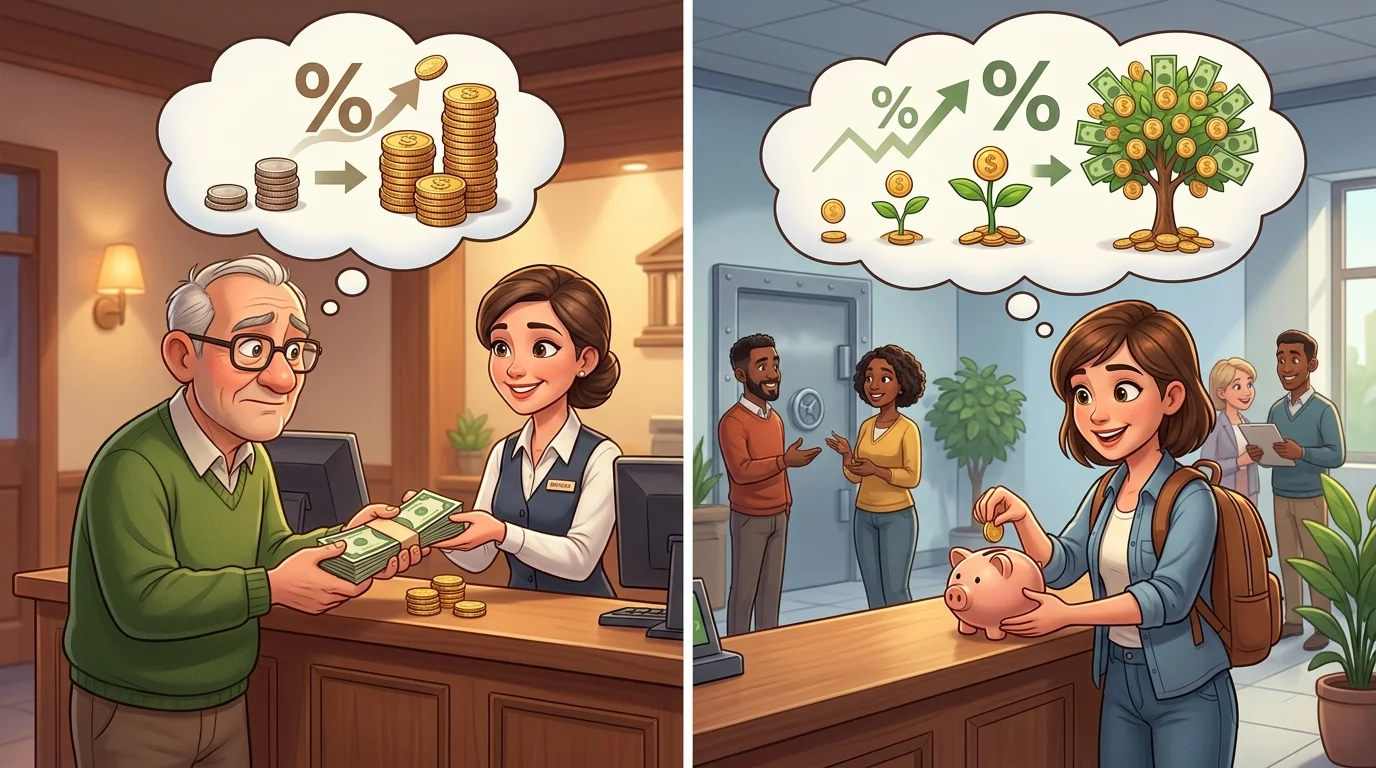
An interest rate is a percentage that shows how much extra money is paid or earned on a financial amount over time.
Example:
If you borrow $1,000 with a 5% annual interest rate, you may need to pay back more than $1,000 because of the interest charged.
What It Usually Means in Finance
Interest rates represent:
- The cost of borrowing money
- The return on savings
- The price of using someone else’s money
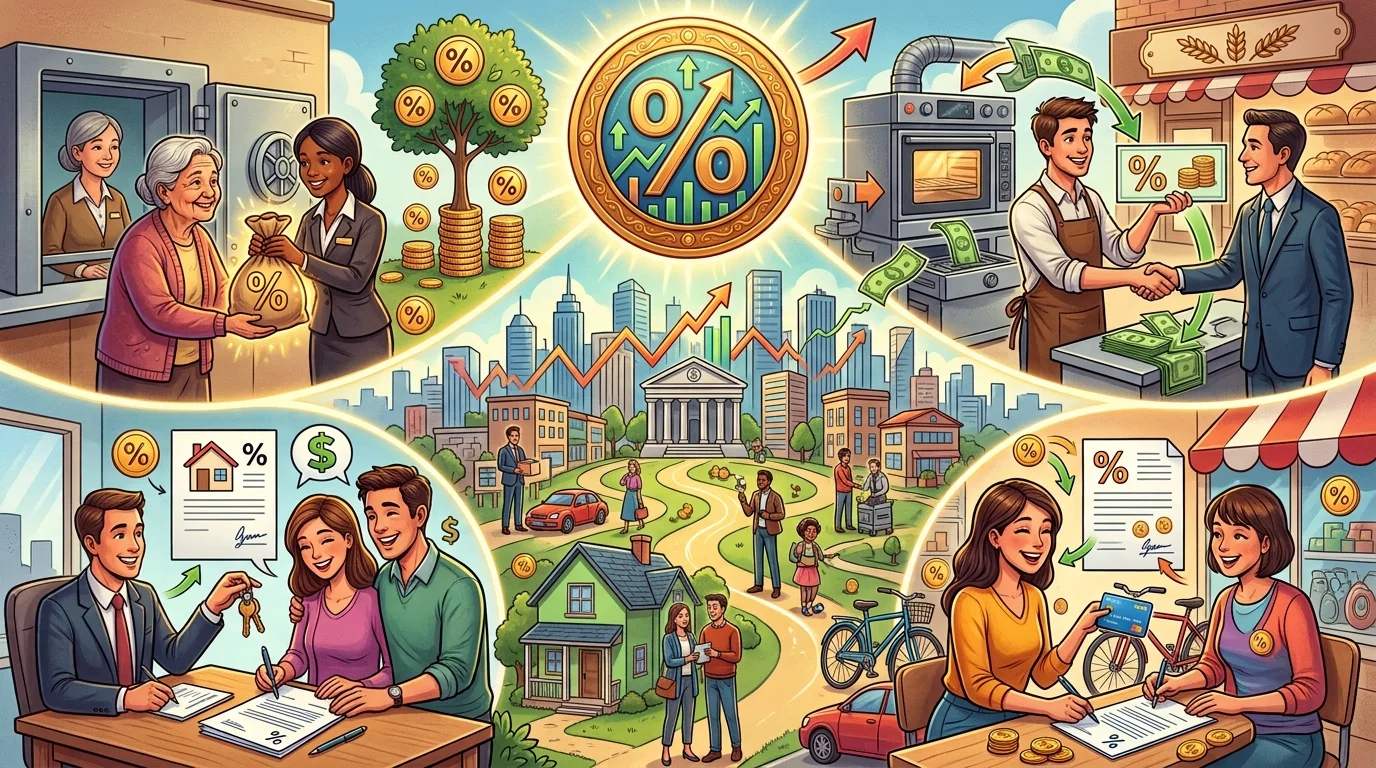
Banks and lenders use interest rates to calculate payments on:
- Loans
- Mortgages
- Credit cards
- Business financing
Banks also offer interest rates on:
- Savings accounts
- Certificates of deposit
- Investments
What Tone Does It Convey?
Interest rate is a financial term, so it is usually:
- Neutral in banking discussions
- Serious in money decisions
- Important when comparing financial options
It is not slang or casual internet language.
What Does Interest Rate Mean in Different Contexts?
Bank Loans
For loans, the interest rate is the extra percentage you pay for borrowing money.
Example:
A bank gives you a loan at 6% interest.
You repay:
- The original amount borrowed
- Additional interest charges
Savings Accounts
For savings, the interest rate shows how much money your bank pays you for keeping your money there.
Example:
A 4% interest rate means your savings may grow over time.
Credit Cards
Credit card interest rates show how much extra you pay if you do not pay your balance completely.
Higher rates can make unpaid balances grow quickly.
Mortgages
Mortgage interest rates affect monthly home payments.
A small rate difference can change the total cost of a home loan over many years.
Investments
Some investments offer returns connected to interest rates. Changes in rates can influence financial markets.
Origin and History of Interest Rates
The idea of charging interest has existed for thousands of years. Ancient civilizations used forms of lending where borrowers paid extra amounts when returning money or goods.
Over time, banking systems developed more structured interest rates. Modern interest rates are influenced by:
- Banks
- Financial markets
- Government policies
- Central banks
Today, interest rates are one of the main tools used to manage economies.
How People Actually Use Interest Rates
Most people encounter interest rates when making financial decisions.
You’ll often see interest rates when:
- Applying for a loan
- Opening a savings account
- Buying a house
- Using a credit card
- Comparing financial products
When Interest Rates Matter Most
Interest rates are especially important when:
- Borrowing large amounts
- Planning long-term payments
- Saving for future goals
When Not to Ignore Interest Rates
Ignoring interest rates can lead to:
- Higher loan costs
- Unexpected payments
- Lower savings growth
Always check the rate before agreeing to financial terms.
Real Examples of Interest Rate in Conversations
Example 1: Loan Discussion
Person A:
“What interest rate did the bank offer?”
Person B:
“They offered 7%.”
Meaning:
They are discussing the borrowing cost.
Example 2: Savings Account
Person A:
“How much does your bank pay?”
Person B:
“The interest rate is 3%.”
Meaning:
They are discussing savings earnings.
Example 3: Car Loan
Person A:
“Why is my payment so high?”
Person B:
“The interest rate increased.”
Meaning:
The borrowing cost changed.
Example 4: Mortgage
Person A:
“Should we buy a house now?”
Person B:
“It depends on current interest rates.”
Meaning:
Loan costs affect the decision.
Example 5: Credit Card
Person A:
“Why did my balance grow?”
Person B:
“The interest rate added extra charges.”
Meaning:
Interest increased the amount owed.
Example 6: Investing
Person A:
“Why are markets changing?”
Person B:
“Interest rates affect investments.”
Meaning:
Financial conditions influence markets.
Example 7: Banking
Person A:
“What does 5% interest mean?”
Person B:
“It means you earn or pay 5% depending on the account.”
Meaning:
They are explaining the percentage.
Example 8: Business
Person A:
“Is this loan worth taking?”
Person B:
“Check the interest rate first.”
Meaning:
The cost matters.
Example 9: Personal Finance
Person A:
“I want to save more money.”
Person B:
“Find a better interest rate.”
Meaning:
Look for higher savings returns.
Example 10: Everyday Example
Person A:
“Why does borrowing cost more?”
Person B:
“Because lenders charge interest.”
Meaning:
Interest is the cost of using money.
Common Mistakes and Misunderstandings
Mistake 1: Thinking Interest Is Always a Fee
Interest can be something you pay or something you earn.
Mistake 2: Ignoring the Time Period
A 5% annual interest rate is different from a 5% monthly rate.
Always check the time period.
Mistake 3: Confusing Interest Rate With Total Cost
The interest rate is only one part of borrowing costs. Fees and other charges may also apply.
Mistake 4: Not Comparing Rates
Different banks and lenders may offer different rates.
Similar Financial Terms and Related Concepts
| Term | Meaning | Difference |
|---|---|---|
| APR | Annual percentage rate | Includes interest and some fees |
| Principal | Original amount of money | The amount before interest |
| Loan | Money borrowed | Interest is usually charged |
| Savings rate | Rate earned on savings | Money you receive |
| Compound interest | Interest added to previous interest | Growth builds over time |
| Inflation rate | Increase in prices | Different from interest |
| Mortgage rate | Interest on home loans | Specific loan type |
| Fixed rate | Interest stays the same | Does not change |
| Variable rate | Interest can change | Moves with market conditions |
| Return rate | Investment earnings percentage | Focuses on investment gains |
Is Interest Rate Positive, Negative, or Neutral?
The interest rate meaning is usually neutral.
It can feel:
Positive when:
- Savings earn more money
- Investments grow
Negative when:
- Loans become expensive
- Credit card debt increases
The effect depends on whether you are borrowing or earning.
Should You Pay Attention to Interest Rates?
Pay Attention If:
- You are getting a loan
- You are buying a home
- You are saving money
- You are using credit cards
Compare Rates Before:
- Borrowing money
- Choosing a bank account
- Making financial decisions
Related posts:
 What Does “The Hierophant Meaning” Mean? Powerful Tarot Symbolism, Spiritual Insight & Life Guidance 2026
 Bubba Meaning Revealed The Surprising Story Behind This Friendly Nickname 2026
 Chaser Meaning Explained Powerful Guide to Definition, Uses, Examples & Different Contexts 2026
 Powerful Meaning of Medusa Tattoo Symbolism, History & Hidden Messages 2026