
What Does “High Triglycerides” Mean?
Quick Definition
High triglycerides meaning: A condition where triglyceride levels in the blood are higher than the healthy range.
What Are Triglycerides?
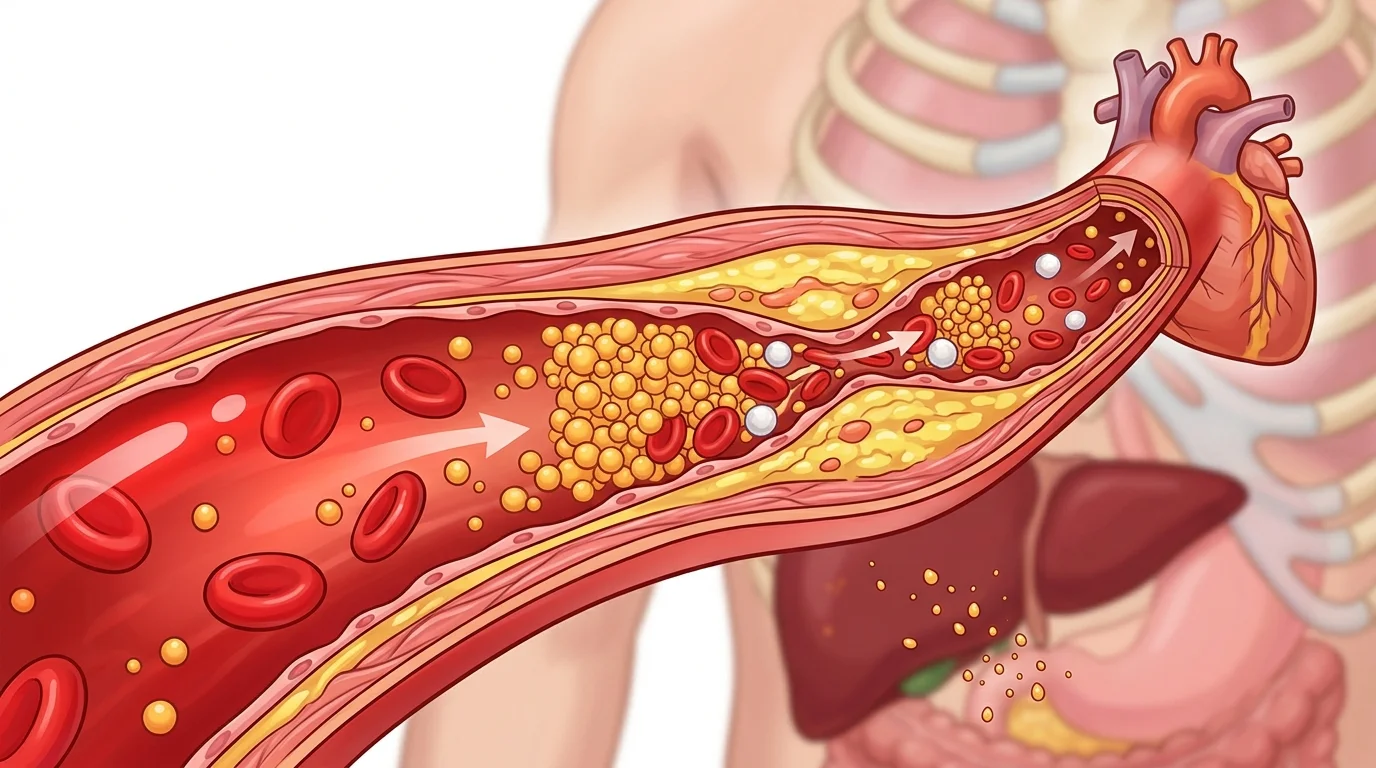
Triglycerides are a type of fat your body uses for energy.
Your body makes triglycerides from:
- Extra calories
- Sugars
- Fats
- Alcohol
When you eat more energy than your body uses, the extra energy can be stored as triglycerides.
What High Triglycerides Usually Mean
High triglycerides may indicate:
- Excess stored fat in the bloodstream
- Dietary factors
- Metabolic changes
- Increased cardiovascular risk factors
What Tone Does It Convey?
High triglycerides is a:
Medical term:
Used in healthcare.
Neutral term:
It describes a blood result, not a feeling.
Important health indicator:
It may require attention depending on the level.
What Do Different Triglyceride Levels Mean?
Doctors commonly measure triglycerides in mg/dL (milligrams per deciliter).
General adult ranges:
| Level | Meaning |
|---|---|
| Below 150 mg/dL | Normal |
| 150–199 mg/dL | Borderline high |
| 200–499 mg/dL | High |
| 500 mg/dL or above | Very high |
Ranges can vary slightly depending on guidelines and individual health factors.
What Causes High Triglycerides?
High triglycerides can happen for many reasons.
Common causes include:
Diet
Foods and drinks that may raise triglycerides include:
- Excess sugar
- Refined carbohydrates
- High-calorie diets
- Heavy alcohol intake
Lifestyle Factors
Possible contributors:
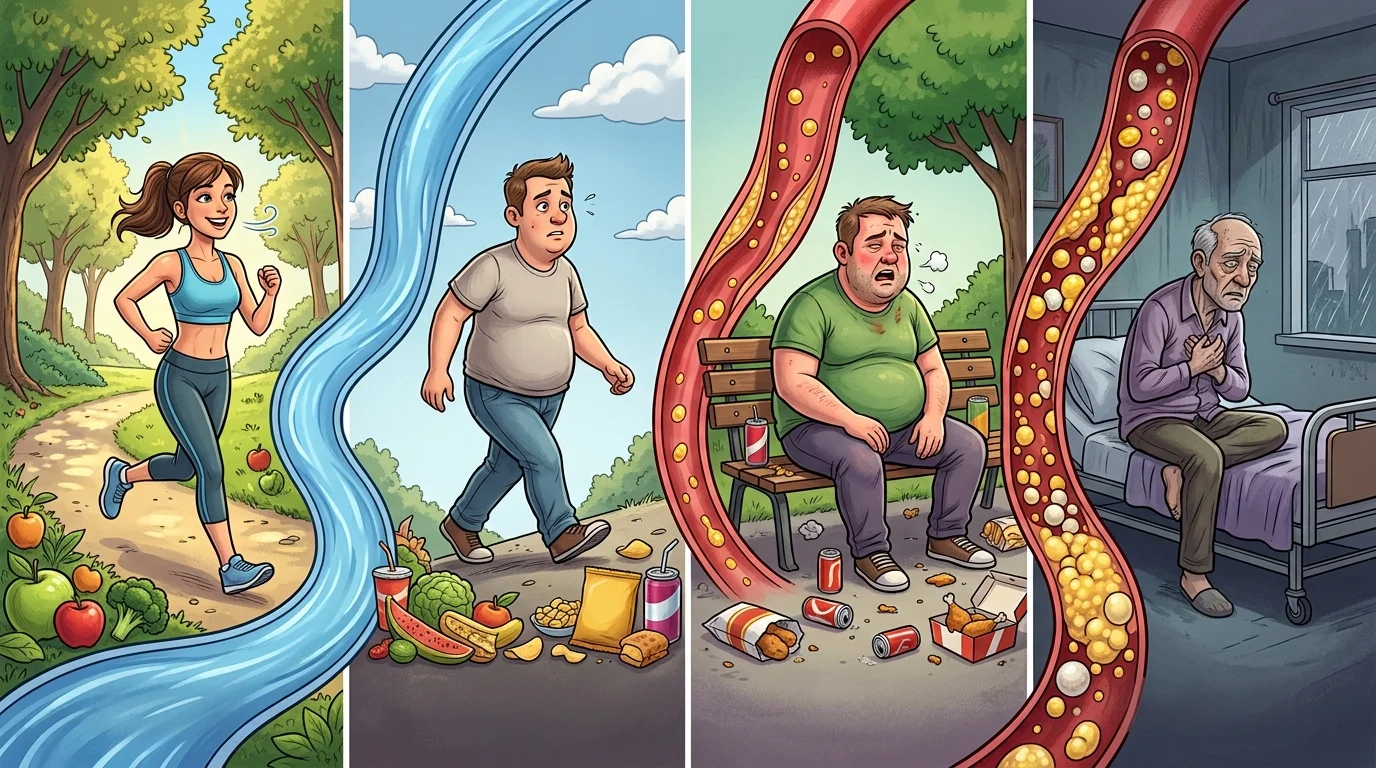
- Lack of physical activity
- Weight gain
- Smoking
- Poor sleep patterns
Health Conditions
High triglycerides may be linked with:
- Diabetes
- Thyroid problems
- Metabolic conditions
- Certain kidney or liver problems
Genetics
Some people inherit a tendency to have higher triglyceride levels.
How Do High Triglycerides Affect the Body?
High triglycerides often do not cause noticeable symptoms.
Many people feel normal even when their levels are elevated.
However, very high triglyceride levels can increase the risk of:
- Pancreatitis (inflammation of the pancreas)
- Cardiovascular problems
- Metabolic health issues
A healthcare professional can interpret results based on your overall health.
What Does Triglycerides High Meaning on a Blood Test?
When a blood test shows high triglycerides, it means the amount measured in your blood is above the recommended range.
Doctors usually look at triglycerides along with:
- HDL cholesterol
- LDL cholesterol
- Total cholesterol
- Blood sugar levels
- Other health factors
A single result does not always tell the whole story.
How People Usually Discover High Triglycerides
Most people find out through:
- Routine health checkups
- Cholesterol testing
- Blood work for other conditions
Because high triglycerides often have no symptoms, testing is the main way to identify them.
Real Examples of High Triglycerides Situations
Example 1: Routine Checkup
Person A:
“My blood report says triglycerides are high.”
Person B:
“It means your blood fat level is above the recommended range.”
Meaning:
The test showed elevated triglycerides.
Example 2: Diet Connection
Person A:
“Why did my triglycerides increase?”
Person B:
“Diet and lifestyle can affect them.”
Meaning:
Food choices may contribute.
Example 3: Doctor Visit
Person A:
“What happens next?”
Person B:
“The doctor may review your overall health.”
Meaning:
Treatment depends on the individual.
Example 4: Health Goals
Person A:
“I want to improve my numbers.”
Person B:
“Lifestyle changes can help many people.”
Meaning:
Healthy habits may affect triglyceride levels.
Example 5: Understanding Results
Person A:
“Is cholesterol the same as triglycerides?”
Person B:
“No, they are different blood fats.”
Meaning:
They are related but not identical.
Common Mistakes and Misunderstandings
Mistake 1: Thinking High Triglycerides Always Cause Symptoms
Many people have no noticeable symptoms.
Mistake 2: Confusing Triglycerides With Cholesterol
Both are fats in the blood, but they are different.
Mistake 3: Assuming Only Weight Causes High Triglycerides
Many factors can influence levels, including genetics and health conditions.
Mistake 4: Ignoring a Very High Result
Very high levels may need medical attention.
Similar Health Terms and Related Words
| Term | Meaning | Difference |
|---|---|---|
| Cholesterol | Another type of blood lipid | Different fat type |
| LDL | Often called “bad” cholesterol | Different measurement |
| HDL | Often called “good” cholesterol | Helps transport cholesterol |
| Lipid panel | Blood test measuring fats | Includes triglycerides |
| Metabolism | How the body uses energy | Broader process |
| Blood sugar | Glucose level in blood | Not a fat |
| Fatty liver | Fat buildup in liver | Related condition |
| Insulin resistance | Reduced response to insulin | Metabolic issue |
| Obesity | Excess body fat | One possible risk factor |
| Pancreatitis | Inflammation of pancreas | Possible risk with very high levels |
Are High Triglycerides Positive, Negative, or Neutral?
High triglycerides are generally considered a health concern, especially when levels are significantly elevated.
The meaning depends on:
- The actual number
- Overall health
- Other blood results
- Medical history
What Should You Do About High Triglycerides?
Helpful Lifestyle Steps May Include:
- Eating a balanced diet
- Reducing excess sugar
- Staying physically active
- Maintaining a healthy weight
- Following medical advice
Talk With a Healthcare Professional If:
- Levels are very high
- You have other health conditions
- You have concerns about your results
Related posts:
 Mellifluous Meaning Explained The Beautiful Word Behind Sweet, Smooth & Pleasant Sounds 2026
 Preposterous Meaning Explained Powerful Guide to Definition, Examples & How to Use It 2026
 Powerful Meaning of Medusa Tattoo Symbolism, History & Hidden Messages 2026
 414 Meaning Explained The Ultimate Guide to Its Text, Love & Social Media Meaning 2026