What Does “Patina” Mean?
Quick Definition
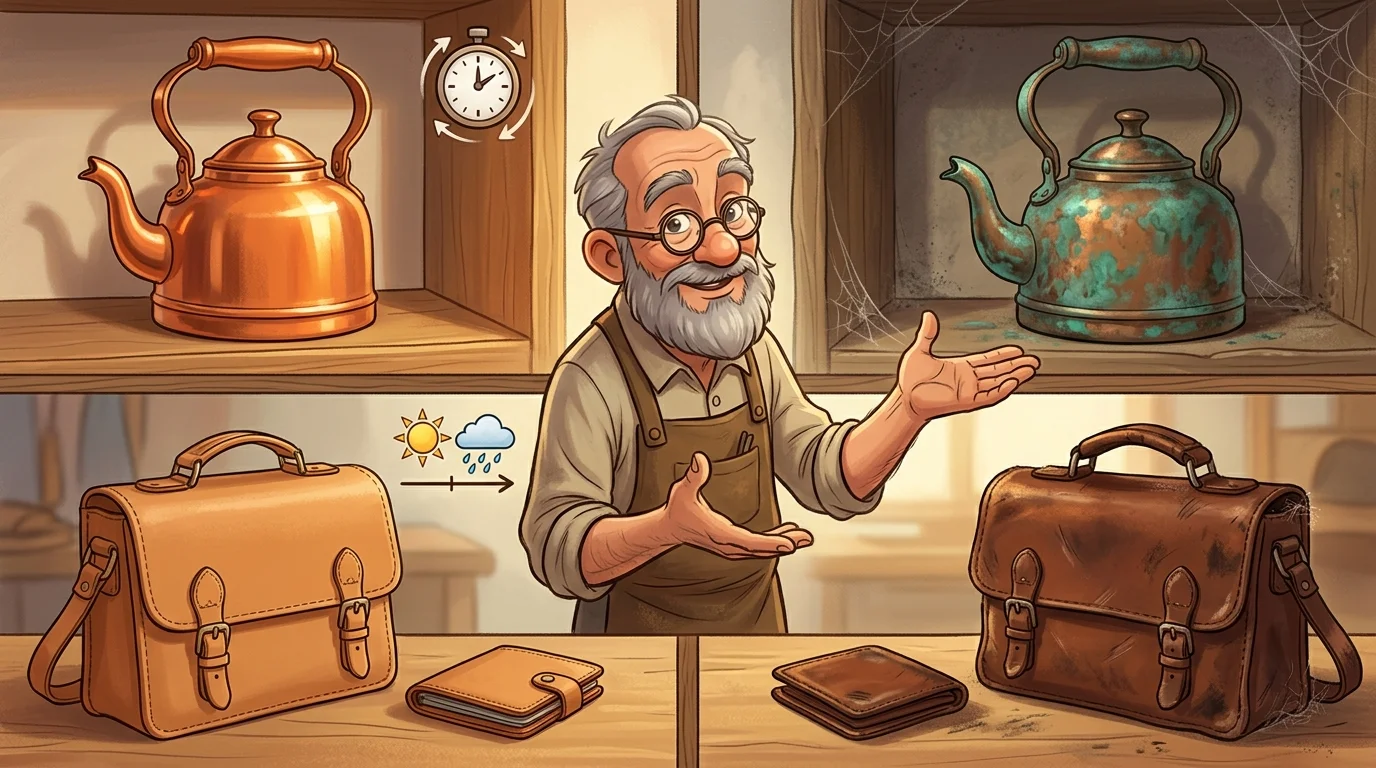
Patina meaning: A natural surface change that develops over time, creating a unique appearance on materials like metal, leather, wood, and stone.
Literal Meaning of Patina
Patina originally referred to a thin layer that forms on the surface of metals due to aging or chemical reactions.
Examples:
- Green copper surfaces
- Aged bronze statues
- Weathered metal objects
What It Usually Means in Everyday Use
Today, patina can mean:
- Natural aging
- Character from use
- A vintage appearance
- A beautiful worn look
Example:
“This jacket has a great patina.”
Meaning:
“The jacket has developed an attractive aged appearance.”
What Tone Does It Convey?
Patina usually has a:
Positive tone:
Associated with beauty and uniqueness.
Artistic tone:
Common in design and antiques.
Luxury tone:
Used for high-quality aged materials.
Historical tone:
Connected with objects that carry stories.
What Does Patina Mean in Different Contexts?
Art Meaning
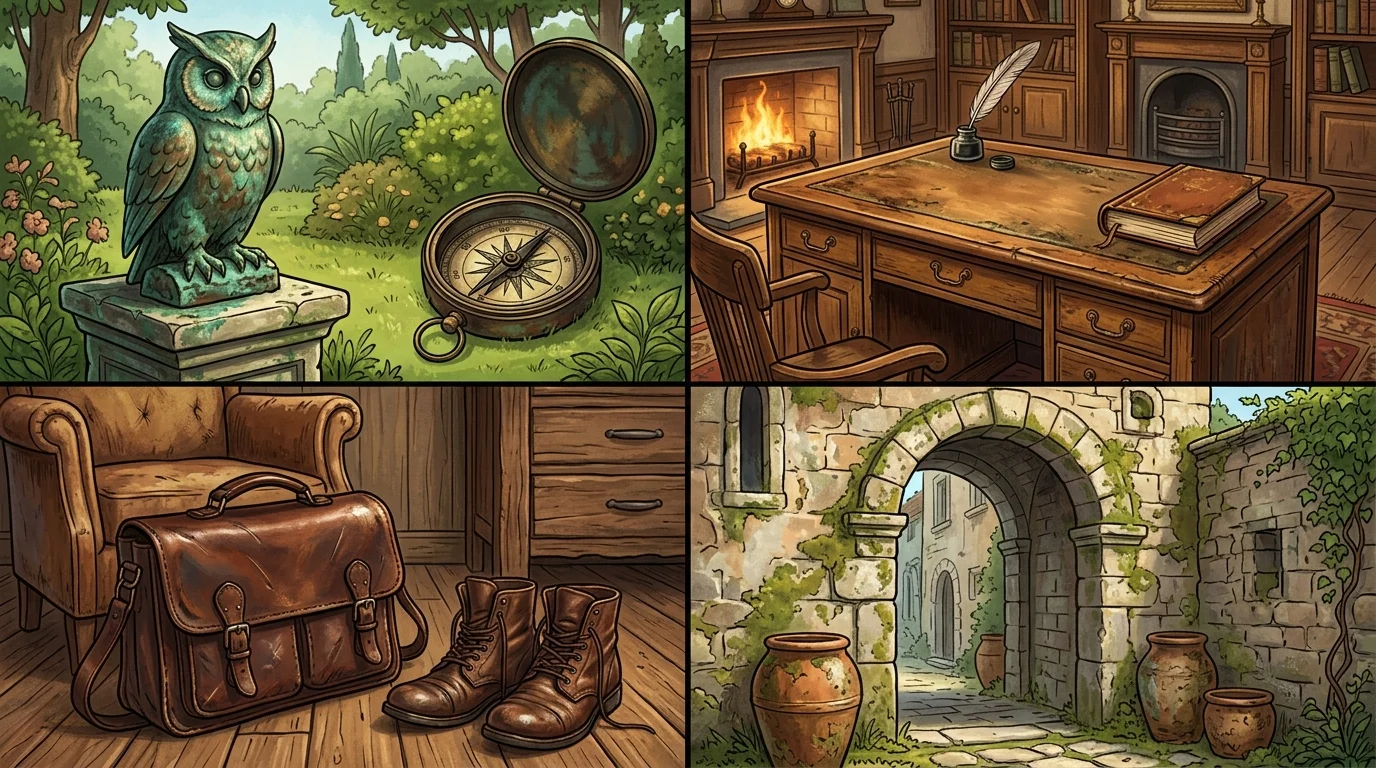
In art, patina describes the aged appearance of:
- Sculptures
- Paintings
- Metal artwork
Artists may value patina because it adds depth and history.
Fashion Meaning
In fashion, patina is often used for:
- Leather jackets
- Shoes
- Bags
- Accessories
Example:
“This leather wallet developed a beautiful patina.”
Meaning:
The leather became more attractive with age.
Interior Design Meaning
Designers use patina to describe:
- Antique furniture
- Aged wood
- Vintage decorations
It creates a feeling of warmth and history.
Architecture Meaning
Buildings may develop patina through:
- Weather exposure
- Natural aging
- Material changes
Example:
“The building has a beautiful patina.”
Meaning:
The building has an appealing aged look.
What Does Patina Mean on Different Platforms?
Text Messages
Patina is not common slang in texting.
It usually appears when discussing:
- Fashion
- Art
- Home design
- Collecting
Example:
“This watch has amazing patina.”
Meaning:
The watch looks better because of age.
Snapchat
Patina may appear in:
- Vintage style posts
- Fashion content
- Antique discussions
Instagram users often use patina when sharing:
- Luxury items
- Vintage outfits
- Interior designs
- Handmade products
TikTok
On TikTok, patina appears in:
- Restoration videos
- Vintage fashion
- Car content
- Antique transformations
Discord
Patina may appear in hobby communities related to:
- Cars
- Watches
- Collecting
- Art
Reddit users discuss patina in communities about:
- Antiques
- Leather goods
- Restoration
- Collectibles
Dating Apps
Patina is rarely used in dating conversations, but someone may use it metaphorically.
Example:
“People gain patina with age.”
Meaning:
People gain character over time.
Origin and History of Patina
The word patina comes from Italian, where it originally referred to a shallow dish or plate. The meaning later developed to describe the surface layer found on old artwork and materials.
Over time, patina became associated with the beauty of aging.
Today, the word is commonly used in:
- Art
- Fashion
- Architecture
- Design
- Collecting
How People Actually Use Patina
Most people use “patina” when they want to describe something that has become more interesting because of age.
You’ll often see it in:
- Luxury product descriptions
- Antique discussions
- Design conversations
- Restoration content
When to Use It
Use patina when describing:
- Natural aging
- Beautiful wear
- Vintage appearance
- Surface changes
Examples:
- “The wood has developed a warm patina.”
- “The leather looks better with its patina.”
When Not to Use It
Avoid using patina to describe:
- Broken objects
- Dirt
- Damage without beauty
Patina usually suggests character, not neglect.
Real Examples of Patina in Conversations
Example 1: Leather
Person A:
“Why does your old bag look so good?”
Person B:
“It has a beautiful patina.”
Meaning:
The leather aged attractively.
Example 2: Furniture
Person A:
“Is that table new?”
Person B:
“No, the patina makes it special.”
Meaning:
Its aged appearance adds value.
Example 3: Car Culture
Person A:
“Why keep the old paint?”
Person B:
“The patina gives it character.”
Meaning:
The aged look is desirable.
Example 4: Jewelry
Person A:
“Why does the necklace look different?”
Person B:
“It developed a patina over time.”
Meaning:
The surface changed naturally.
Example 5: Architecture
Person A:
“The building looks old.”
Person B:
“That patina makes it beautiful.”
Meaning:
Age adds charm.
Example 6: Art
Person A:
“Why is the statue valuable?”
Person B:
“Because of its natural patina.”
Meaning:
The aged surface adds value.
Example 7: Fashion
Person A:
“Your boots look vintage.”
Person B:
“That’s the patina.”
Meaning:
Age created the style.
Example 8: Watches
Person A:
“Collectors love this watch.”
Person B:
“The patina makes every one unique.”
Meaning:
Aging creates uniqueness.
Example 9: Home Design
Person A:
“Why choose old materials?”
Person B:
“They have more patina.”
Meaning:
They have more character.
Example 10: Casual Talk
Person A:
“Why not replace it?”
Person B:
“I like the patina.”
Meaning:
They appreciate its aged appearance.
Common Mistakes and Misunderstandings
Mistake 1: Thinking Patina Means Damage
Patina is usually considered a positive aging effect, not simple damage.
Mistake 2: Thinking It Only Applies to Metal
Patina can describe leather, wood, stone, and other materials.
Mistake 3: Confusing Patina With Dirt
Dirt is unwanted. Patina is often valued.
Mistake 4: Assuming Artificial Aging Is Real Patina
Some products are made to look aged, but natural patina develops over time.
Similar Terms and Related Words
| Term | Meaning | Difference |
|---|---|---|
| Aging | Becoming older over time | Broader term |
| Weathering | Surface changes from environment | Often natural exposure |
| Vintage | Old style or item | Focuses on age/style |
| Antique | Very old collectible item | Usually historical value |
| Wear | Changes from use | Can be positive or negative |
| Oxidation | Chemical reaction with oxygen | Often creates patina |
| Texture | Surface feel or appearance | More general |
| Character | Unique qualities developed over time | Emotional meaning |
| Rustic | Natural, rough style | Design style |
| Distressed | Artificially aged appearance | Often intentional |
Is Patina Positive, Negative, or Neutral?
The patina meaning is usually positive.
It often represents:
- Beauty
- History
- Quality
- Character
However, in some technical situations, patina may simply describe a surface change without positive or negative meaning.
Should You Use Patina?
Use It If:
- Talking about aged materials
- Describing vintage beauty
- Discussing design or art
Avoid It If:
- Explaining simple damage
- Talking about something dirty
- The audience may not understand the term
Related posts:
 Mellifluous Meaning Explained The Beautiful Word Behind Sweet, Smooth & Pleasant Sounds 2026
 Preposterous Meaning Explained Powerful Guide to Definition, Examples & How to Use It 2026
 Powerful Meaning of Medusa Tattoo Symbolism, History & Hidden Messages 2026
 414 Meaning Explained The Ultimate Guide to Its Text, Love & Social Media Meaning 2026