Atherosclerosis Meaning Definition and Explanation
Quick Definition
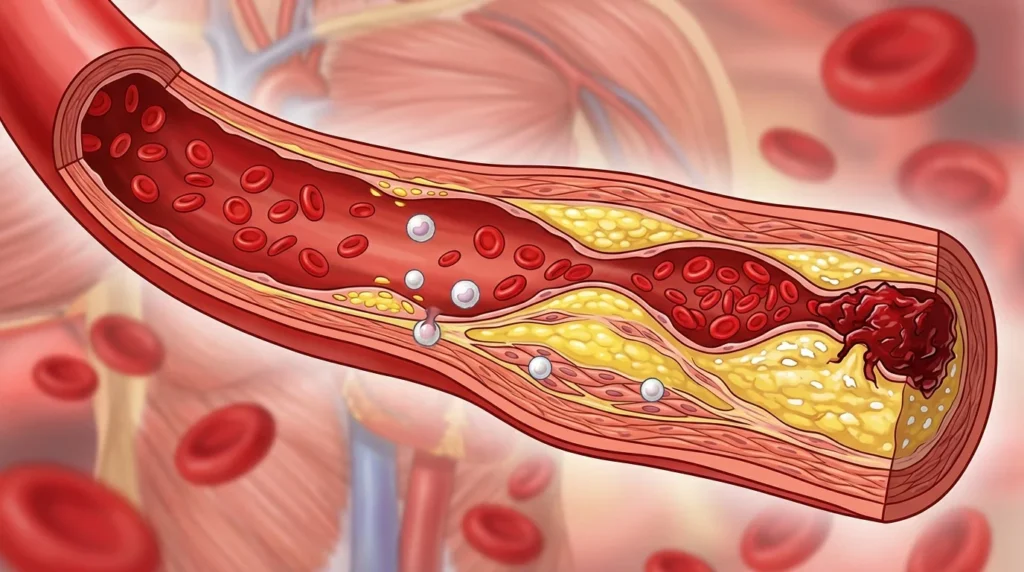
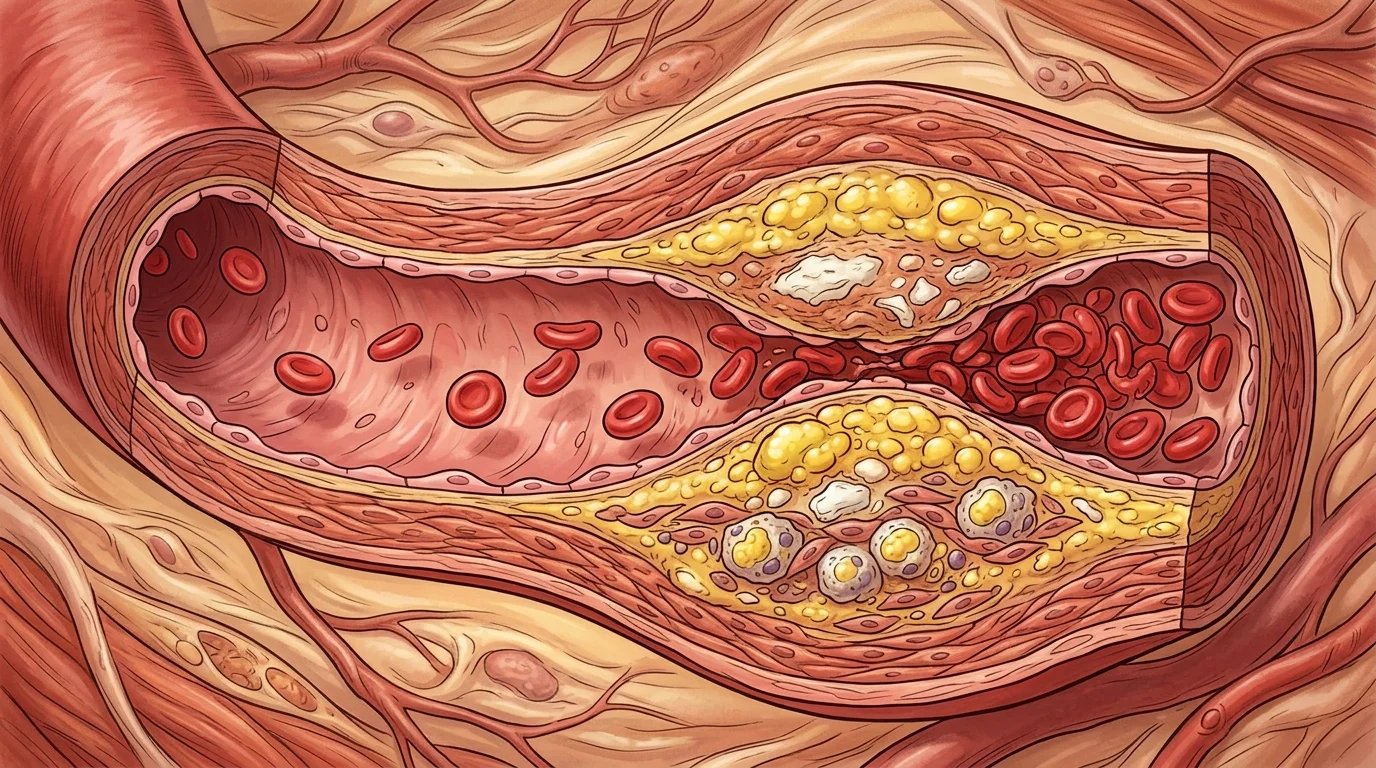
Atherosclerosis is the gradual hardening and narrowing of the arteries caused by plaque buildup along the artery walls.
What Does Atherosclerosis Usually Mean?
In healthy arteries, blood flows freely. With atherosclerosis, plaque accumulates inside the artery walls, making them narrower and less flexible. As a result, oxygen-rich blood has a harder time reaching organs and tissues.
Plaque may contain:
- Cholesterol.
- Fat.
- Calcium.
- Cellular waste.
- Inflammatory cells.
- Fibrin (a clotting protein).
If a plaque ruptures, a blood clot can form and suddenly block blood flow.
What Tone Does the Term Convey?
Atherosclerosis is a neutral medical term, but it describes a serious health condition that requires proper medical evaluation and management.
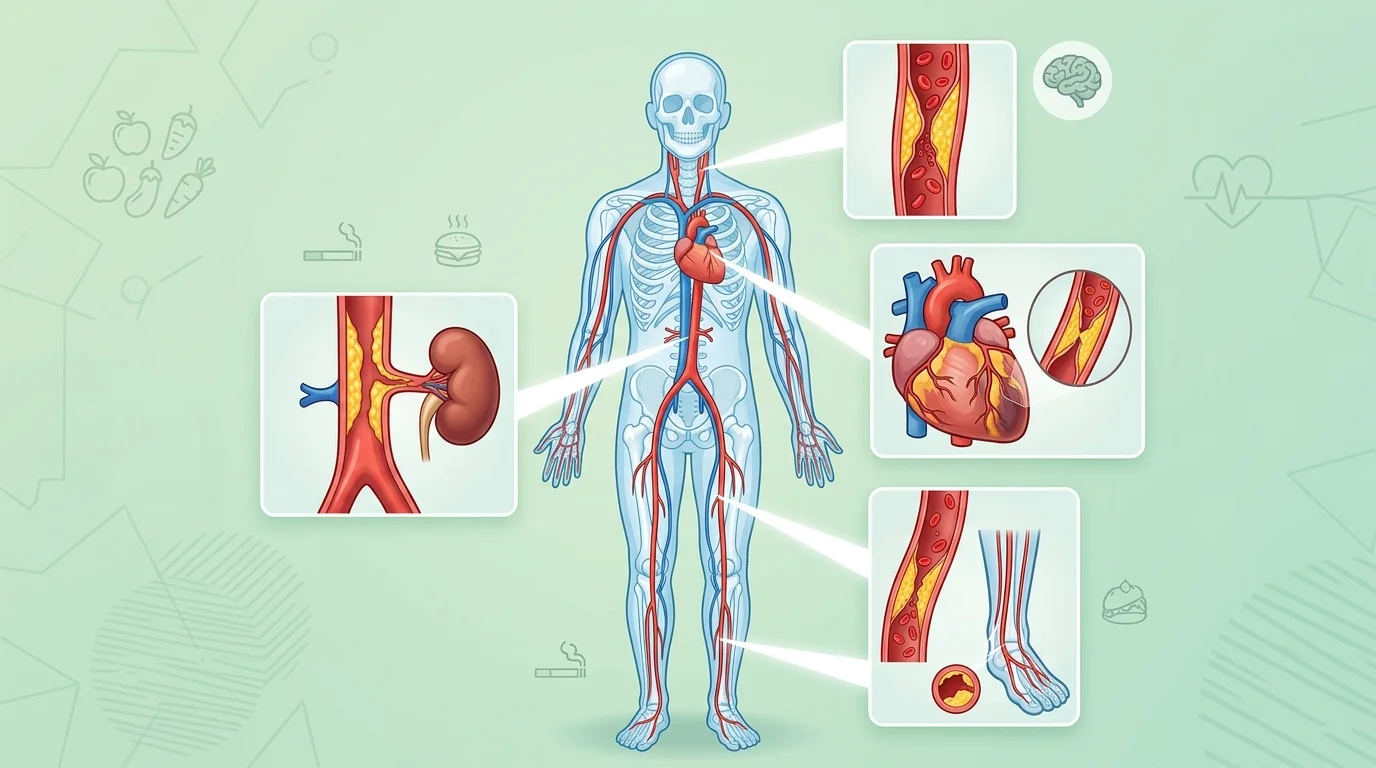
Atherosclerosis Meaning in Different Parts of the Body
Heart (Coronary Arteries)
Plaque in the coronary arteries can reduce blood flow to the heart muscle, increasing the risk of:
- Chest pain (angina).
- Heart attack.
Brain (Carotid Arteries)
When arteries supplying the brain become narrowed, the risk of:
- Stroke.
- Transient ischemic attack (TIA).
may increase.
Legs (Peripheral Arteries)
Reduced blood flow to the legs can cause:
- Leg pain while walking (claudication).
- Slow-healing wounds.
- Severe cases of peripheral artery disease (PAD).
Kidneys
Reduced blood flow may contribute to kidney problems or high blood pressure.
Causes of Atherosclerosis
The exact process begins with damage to the inner lining of an artery. Several factors can contribute, including:
- High LDL (“bad”) cholesterol.
- High blood pressure.
- Smoking.
- Diabetes.
- Obesity.
- Physical inactivity.
- Chronic inflammation.
- Unhealthy diet.
- Increasing age.
- Family history of cardiovascular disease.
Often, multiple risk factors work together over time.
Common Symptoms of Atherosclerosis
In its early stages, atherosclerosis often causes no symptoms.
As arteries become more narrowed, symptoms depend on which arteries are affected.
Possible symptoms include:
Heart
- Chest pain.
- Shortness of breath.
- Heart attack symptoms.
Brain
- Sudden weakness.
- Trouble speaking.
- Vision problems.
- Stroke symptoms.
Legs
- Pain while walking.
- Cold feet.
- Slow-healing sores.
Because symptoms vary, any signs of a heart attack or stroke require immediate emergency medical care.
How Doctors Diagnose Atherosclerosis
Healthcare providers may use:
- Physical examination.
- Medical history.
- Blood tests (including cholesterol levels).
- Blood pressure measurement.
- Electrocardiogram (ECG/EKG).
- Stress testing.
- Ultrasound.
- CT angiography.
- MRI.
- Coronary angiography.
The appropriate tests depend on the individual’s symptoms and medical history.
Treatment for Atherosclerosis
Treatment aims to improve blood flow, reduce complications, and slow disease progression.
Lifestyle Changes
Doctors often recommend:
- Eating a heart-healthy diet.
- Exercising regularly.
- Maintaining a healthy weight.
- Quitting smoking.
- Managing stress.
- Controlling blood pressure and blood sugar.
Medications
Depending on the situation, treatment may include medications to:
- Lower cholesterol.
- Reduce blood pressure.
- Prevent blood clots.
- Control diabetes.
Only a healthcare professional can determine which medications are appropriate.
Medical Procedures
In some cases, procedures may be necessary, such as:
- Angioplasty.
- Stent placement.
- Coronary artery bypass surgery.
Can Atherosclerosis Be Prevented?
While not every case can be prevented, you can lower your risk by:
- Avoiding tobacco.
- Eating plenty of fruits, vegetables, and whole grains.
- Limiting saturated and trans fats.
- Exercising regularly.
- Maintaining a healthy weight.
- Managing diabetes.
- Controlling blood pressure.
- Keeping cholesterol within recommended levels.
- Following your healthcare provider’s advice.
Real Examples of Atherosclerosis in Conversations
Example 1
Person A: Why did my doctor order a cholesterol test?
Person B: They’re checking your risk for atherosclerosis.
Meaning: Evaluating cardiovascular health.
Example 2
Person A: What causes blocked arteries?
Person B: Atherosclerosis is one of the main causes.
Meaning: Plaque buildup narrows arteries.
Example 3
Person A: Can high cholesterol affect the heart?
Person B: Yes, it can contribute to atherosclerosis.
Meaning: Cholesterol plays a role in plaque formation.
Example 4
Person A: Why do my legs hurt when I walk?
Person B: Your doctor may check for atherosclerosis in the leg arteries.
Meaning: Reduced blood flow may be involved.
Example 5
Person A: Can atherosclerosis be treated?
Person B: Yes, with lifestyle changes, medications, and sometimes procedures.
Meaning: Management depends on severity.
Common Mistakes and Misunderstandings
Many people misunderstand atherosclerosis.
Common misconceptions include:
- Thinking it only affects older adults.
- Assuming it always causes symptoms.
- Believing blocked arteries happen suddenly.
- Thinking only high cholesterol causes it.
In reality, atherosclerosis develops gradually and is influenced by several risk factors.
Related Medical Terms
| Term | Meaning | Difference |
|---|---|---|
| Arteriosclerosis | Hardening of arteries | Broader term |
| Plaque | Fatty buildup in arteries | Causes narrowing |
| Coronary Artery Disease | Disease of heart arteries | Often caused by atherosclerosis |
| Stroke | Brain injury from reduced blood flow | Possible complication |
| Heart Attack | Damage to heart muscle | May result from blocked arteries |
| Angina | Chest pain from reduced blood flow | Symptom, not disease |
| Hypertension | High blood pressure | Risk factor |
| Cholesterol | Fat-like substance in blood | Contributes to plaque |
| Peripheral Artery Disease | Reduced blood flow to limbs | Often caused by atherosclerosis |
| Cardiovascular Disease | Diseases of the heart and blood vessels | Includes atherosclerosis |
Is Atherosclerosis Serious?
Yes. Atherosclerosis is considered a serious condition because it can increase the risk of:
- Heart attack.
- Stroke.
- Peripheral artery disease.
- Kidney problems.
However, many people successfully manage the condition through healthy lifestyle changes and appropriate medical care.
Related posts:
 What Does “The Hierophant Meaning” Mean? Powerful Tarot Symbolism, Spiritual Insight & Life Guidance 2026
 711 Meaning Explained The Powerful Truth Behind Its Spiritual, Text & Hidden Meanings 2026
 Nolan Name Meaning Explained Amazing Guide to Origin, History, Personality & Symbolism 2026
 Beautiful Charlotte Meaning What Does Charlotte Mean, Origin, Personality & More 2026