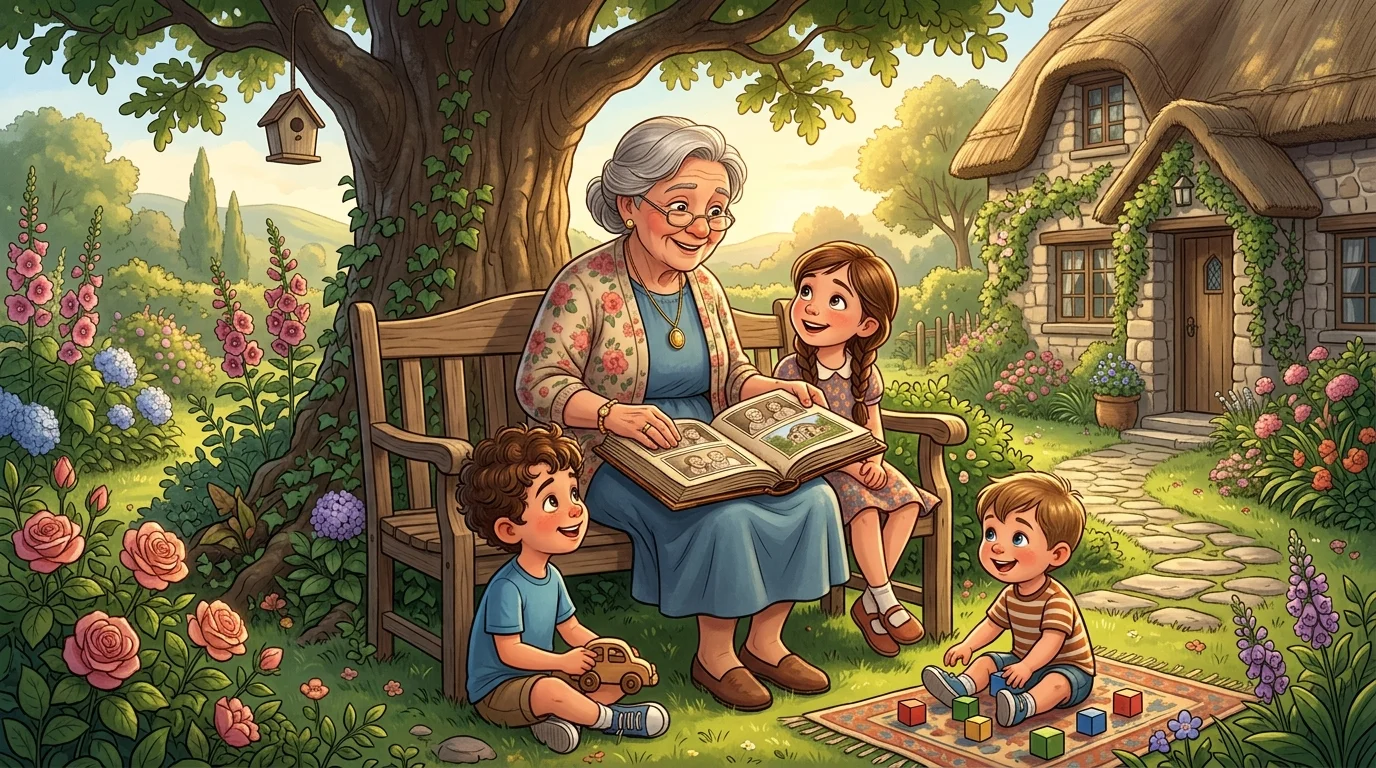
Posterity Meaning Definition and Explanation
Quick Definition
Posterity means all future generations of people or the descendants of the current generation.
What Does Posterity Usually Mean?
The word is commonly used when discussing:
- Future generations.
- Long-term impact.
- Historical legacy.
- Cultural preservation.
- Scientific discoveries.
- Environmental protection.
- Important records.
For example:
“We should protect the environment for posterity.”
This means we should protect it for future generations.
What Tone Does It Convey?
The word posterity usually has a:
- Formal tone.
- Thoughtful tone.
- Historical tone.
- Inspirational tone.
It often appears in speeches, books, essays, and official writing.
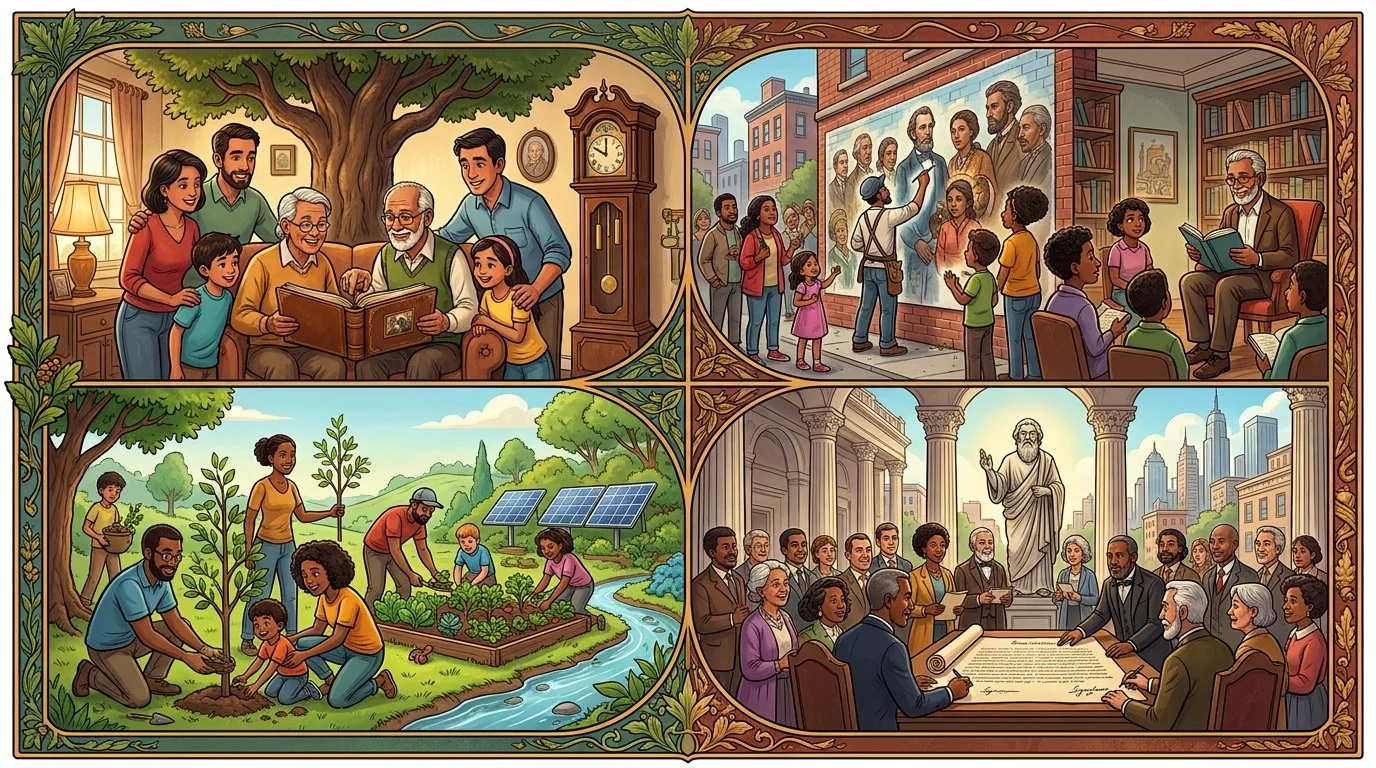
Posterity Meaning in Different Contexts
History
Historians preserve documents and artifacts for posterity so future generations can understand the past.
Environment
People often discuss protecting natural resources for posterity.
Example:
“We must reduce pollution for posterity.”
Literature
Authors use posterity when discussing legacy or future readers.
Politics
Leaders sometimes say their decisions are made for the benefit of posterity.
Science
Scientists preserve research and discoveries so posterity can continue building knowledge.
Family Legacy
Families may save photographs, letters, and traditions for posterity.
Origin and History of Posterity
The word posterity comes from the Latin word posteritas, meaning future generations or those who come after. It entered the English language in the 15th century and has long been used in history, philosophy, law, politics, and literature.
Today, posterity remains a common formal word when discussing long-term responsibility, historical importance, and lasting influence.
How People Actually Use Posterity
Most people use posterity when talking about preserving something valuable for future generations.
You’ll often hear it in discussions about:
- Historical monuments.
- Museums.
- Climate change.
- Family history.
- Government policies.
- Education.
- Cultural traditions.
When to Use It
Use posterity when referring to:
- Future generations.
- Leaving a legacy.
- Long-term preservation.
- Protecting important knowledge or resources.
When Not to Use It
Avoid using posterity when:
- Referring only to people alive today.
- Discussing short-term plans.
- Speaking very casually, where “future generations” may be easier to understand.
Real Examples of Posterity in Conversations
Example 1
Person A: Why are these documents being preserved?
Person B: They’re being saved for posterity.
Meaning: Future generations will be able to study them.
Why it was used: Historical preservation.
Example 2
Person A: Why should we protect forests?
Person B: For posterity.
Meaning: To benefit future generations.
Why it was used: Environmental discussion.
Example 3
Person A: Why did they record the interview?
Person B: To preserve it for posterity.
Meaning: Keep it for the future.
Why it was used: Archiving information.
Example 4
Person A: Why are museums important?
Person B: They preserve history for posterity.
Meaning: Future generations can learn from them.
Why it was used: Education.
Example 5
Person A: Why write a memoir?
Person B: To leave something for posterity.
Meaning: Share experiences with future generations.
Why it was used: Personal legacy.
Example 6
Person A: Why protect ancient buildings?
Person B: They’re valuable for posterity.
Meaning: They should be preserved.
Why it was used: Cultural heritage.
Example 7
Person A: Why save family photos?
Person B: They’re part of our posterity.
Meaning: Future family members can enjoy them.
Why it was used: Family history.
Example 8
Person A: What does “for posterity” mean?
Person B: It means for future generations.
Meaning: Preserving something for those who come later.
Why it was used: Explaining the phrase.
Example 9
Person A: Why document scientific discoveries?
Person B: So posterity can build on them.
Meaning: Future researchers benefit.
Why it was used: Scientific progress.
Example 10
Person A: Why is this speech being archived?
Person B: It’s being kept for posterity.
Meaning: Future generations may study it.
Why it was used: Historical record.
Common Mistakes and Misunderstandings
Many people misunderstand posterity.
Common mistakes include:
- Thinking it means ancestors instead of descendants.
- Using it to describe current family members.
- Confusing it with “prosperity.”
- Assuming it refers to only one’s children.
In reality, posterity refers broadly to future generations as a whole.
Similar Words and Related Terms
| Word | Meaning | Difference |
|---|---|---|
| Future Generations | People who live after us | Most direct synonym |
| Descendants | Future family members | Limited to one family line |
| Legacy | What someone leaves behind | Focuses on achievements or impact |
| Heritage | Traditions and history | Cultural emphasis |
| Inheritance | Property or qualities passed on | Often legal or family-related |
| Ancestry | Family history | Opposite direction in time |
| Lineage | Family line | Genealogical focus |
| History | Record of the past | Broader concept |
| Tradition | Customs passed down | Cultural practices |
| Preservation | Protecting something | Action rather than people |
Is Posterity Positive, Negative, or Neutral?
The posterity meaning is generally positive because it’s often associated with preserving valuable knowledge, culture, history, and resources for future generations.
However, the word itself is neutral and simply refers to people who will live in the future.
Should You Use Posterity?
Use posterity if:
- You’re writing formally.
- You’re discussing history or legacy.
- You’re talking about future generations.
- You want a precise academic or literary term.
Avoid it if:
- You’re having a casual conversation with people unfamiliar with the word.
- A simpler phrase like “future generations” would be clearer.
Related posts:
 What Does “The Hierophant Meaning” Mean? Powerful Tarot Symbolism, Spiritual Insight & Life Guidance 2026
 711 Meaning Explained The Powerful Truth Behind Its Spiritual, Text & Hidden Meanings 2026
 Nolan Name Meaning Explained Amazing Guide to Origin, History, Personality & Symbolism 2026
 Beautiful Charlotte Meaning What Does Charlotte Mean, Origin, Personality & More 2026