What Does “Paranoia” Mean?
Quick Definition
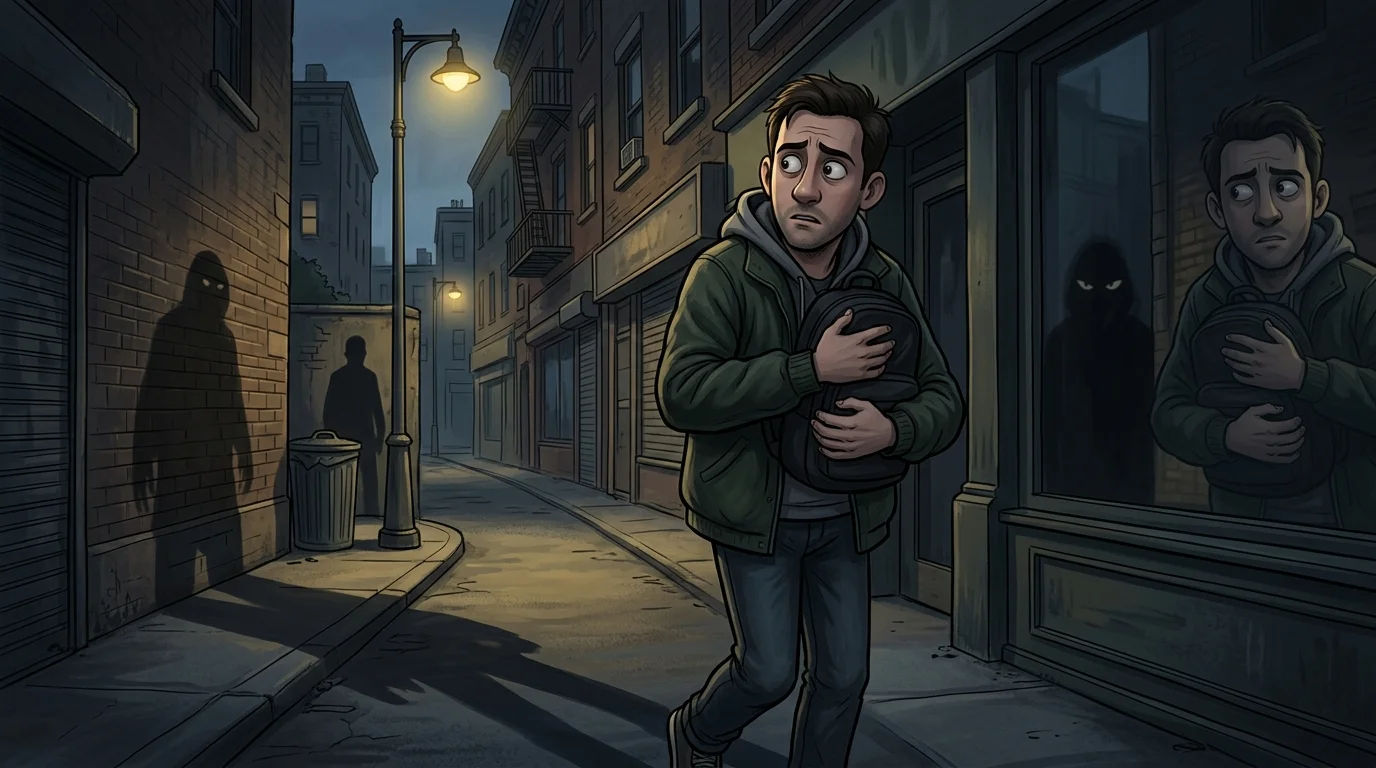
Paranoia is a feeling or belief that others may be against you, trying to harm you, or hiding something from you, often without enough evidence.
Simple meaning:
Paranoia means extreme suspicion or fear that something bad is happening or will happen.
Literal Meaning of Paranoia
The word comes from Greek roots connected to the idea of being “beside” or “outside” normal thinking.
Over time, it became associated with unusual patterns of thought involving fear, distrust, or suspicion.
What It Usually Means in Conversations
In everyday conversations, paranoia often means:
- Overthinking
- Excessive worry
- Feeling suspicious
- Expecting problems
Example:
“I’m just being paranoid.”
Meaning:
“I may be worrying too much.”
What Tone Does It Convey?
The word paranoia can have different tones:
Negative:
When describing fear or excessive suspicion.
Casual:
When joking about small worries.
Serious:
When discussing mental health experiences.
Example:
“I have paranoia about losing my phone.”
This may simply mean strong worry.
What Does Paranoia Mean in Different Contexts?
Text Messages
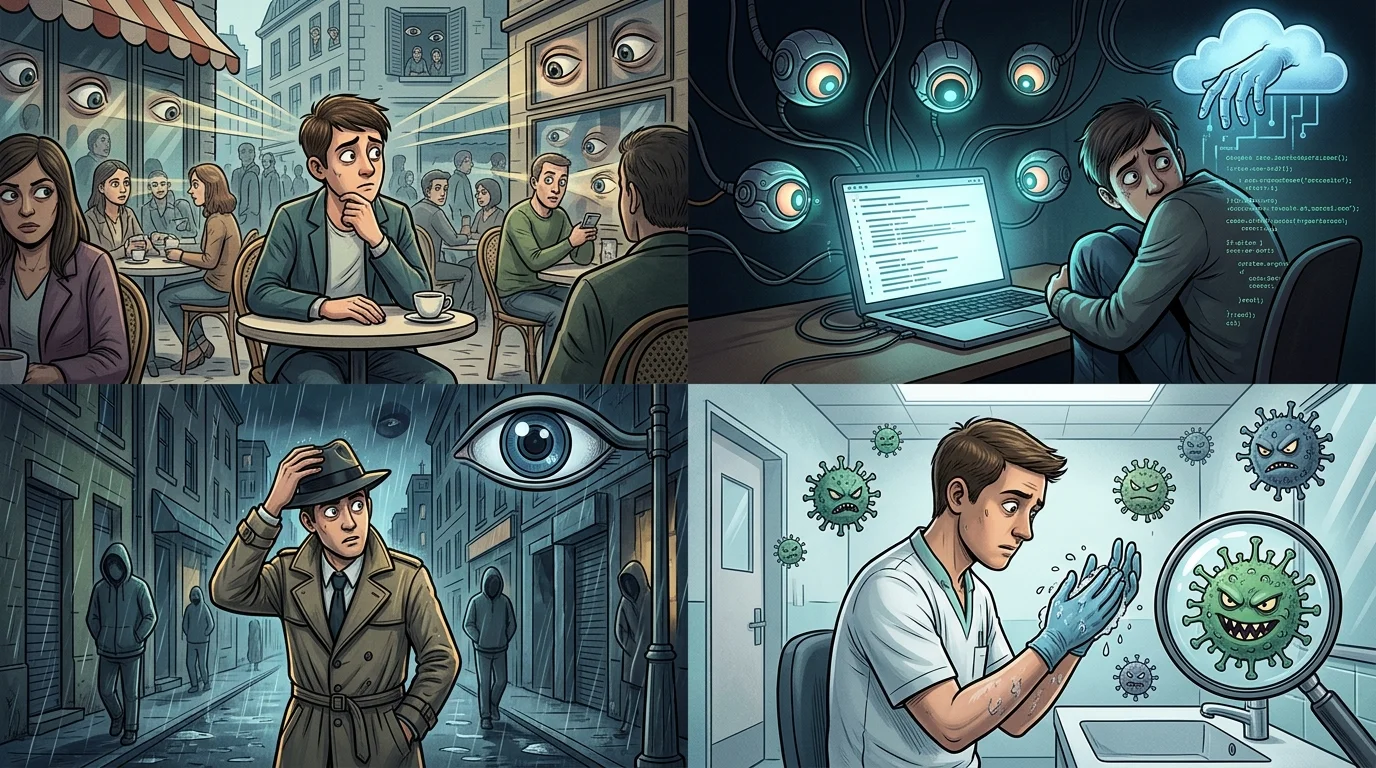
In texting, people often use “paranoia” casually.
Example:
“Sorry, I’m just having paranoia that I forgot something.”
Meaning:
“I’m worried I missed something.”
Snapchat
People may use paranoia in stories or messages about:
- Overthinking
- Relationships
- Social situations
Example:
“My paranoia says everyone noticed my mistake.”
The word appears in:
- Mental health discussions
- Memes
- Personal posts
- Relationship content
TikTok
TikTok users often discuss paranoia in relation to:
- Overthinking
- Anxiety-like feelings
- Social experiences
Discord
In gaming communities, people may use paranoia jokingly.
Example:
“I heard footsteps in the game. My paranoia is activated.”
Meaning:
“I’m feeling suspicious or nervous.”
Users often discuss paranoia in communities about:
- Personal experiences
- Psychology
- Relationships
- Stress
Dating Apps
People may use paranoia when talking about trust issues.
Example:
“I get a little paranoia when someone doesn’t reply.”
Meaning:
“I start worrying or overthinking.”
Origin and History of Paranoia
The word paranoia comes from the Greek word paranoia, meaning a state of being beside oneself or having unusual thoughts.
Historically, the term was used in medicine and psychology to describe certain patterns of thinking involving suspicion and unusual beliefs.
Today, the word has both:
- A casual everyday meaning
- A clinical mental health meaning
The context determines which meaning is intended.
How People Actually Use Paranoia
Most people use the word paranoia when describing:
- Fear
- Suspicion
- Overthinking
- Feeling unsafe
- Worrying about possible problems
You’ll often see it in:
- Conversations
- Social media posts
- Movies
- Books
- Mental health discussions
When to Use Paranoia
Use the word when:
- Describing strong suspicion
- Talking about excessive fear
- Explaining overthinking
Examples:
- “My paranoia made me check the door twice.”
- “He has paranoia about being watched.”
When Not to Use Paranoia
Avoid using it as a joke about serious situations without understanding the context.
Also avoid labeling someone “paranoid” simply because they have a concern. A person can have a reasonable concern without it being paranoia.
Real Examples of Paranoia in Conversations
Example 1: Everyday Worry
Person A:
“I checked my email five times because I thought I missed something.”
Person B:
“That sounds like paranoia.”
Meaning:
They are describing excessive worry.
Why it was used:
To describe overthinking.
Example 2: Relationship
Person A:
“They didn’t reply for two hours, so I thought they were angry.”
Person B:
“That might just be paranoia.”
Meaning:
The person may be assuming the worst.
Why it was used:
To describe unnecessary suspicion.
Example 3: Gaming
Person A:
“I keep checking behind me in this horror game.”
Person B:
“Your paranoia is making it harder.”
Meaning:
Fear is affecting their actions.
Why it was used:
For a funny gaming reaction.
Example 4: Social Media
Person A:
“I feel like everyone noticed my mistake.”
Person B:
“That’s probably just paranoia.”
Meaning:
The person may be overestimating attention from others.
Why it was used:
To explain an anxious thought.
Example 5: Casual Joke
Person A:
“I think my phone battery is judging me.”
Person B:
“Your paranoia is wild.”
Meaning:
A playful exaggeration.
Why it was used:
For humor.
Common Mistakes and Misunderstandings
Mistake 1: Thinking Paranoia Means Any Fear
Not every fear is paranoia.
Example:
Being careful in a dangerous situation is not automatically paranoia.
Mistake 2: Using Paranoid as an Insult
Calling someone paranoid can feel dismissive, especially when they are expressing real concerns.
Mistake 3: Confusing Paranoia With Anxiety
They can overlap, but they are not exactly the same.
- Anxiety often focuses on worry about future events.
- Paranoia often involves suspicion or fear of others’ intentions.
Mistake 4: Thinking Paranoia Always Means Something Serious
The word is often used casually, but sometimes it refers to serious mental health experiences.
Similar Terms and Related Words
| Term | Meaning | Difference |
|---|---|---|
| Anxiety | Worry or fear about situations | More focused on uncertainty |
| Suspicion | Feeling that something may be wrong | Less intense |
| Fear | Emotional response to danger | Broader meaning |
| Overthinking | Thinking too much about something | Often less serious |
| Doubt | Lack of confidence | Usually milder |
| Stress | Mental pressure or tension | Not always related to suspicion |
| Distrust | Lack of trust | Focuses on relationships |
| Concern | Feeling worried about something | Can be reasonable |
Is Paranoia Positive, Negative, or Neutral?
Paranoia is usually negative.
It often describes uncomfortable feelings such as:
- Fear
- Suspicion
- Stress
- Mistrust
However, in casual conversations, people sometimes use it in a humorous way.
Example:
“My paranoia made me bring an umbrella even though it was sunny.”
Should You Use Paranoia?
Use paranoia if:
- You are describing excessive suspicion
- You are discussing thoughts or feelings
- The context is clear
Avoid using it if:
- Someone has a normal concern
- You are judging another person unfairly
- You are making light of serious experiences
Related posts:
 What Does “The Hierophant Meaning” Mean? Powerful Tarot Symbolism, Spiritual Insight & Life Guidance 2026
 Bossa Nova Meaning Explained Amazing Guide to Music Style, History & Cultural Influence 2026
 Beautiful Anklet Meaning What Does an Anklet Symbolize? 2026
 Emancipated Minor Meaning The Best Guide to Rights, Rules & Examples 2026