
Turn the Other Cheek Meaning Definition and Explanation
Quick Definition
Turn the other cheek means to choose forgiveness, patience, or restraint instead of retaliating after being insulted, hurt, or treated unfairly.
What Does Turn the Other Cheek Usually Mean?
When someone says turn the other cheek, they usually mean:
- Don’t seek revenge.
- Stay calm during conflict.
- Respond peacefully.
- Forgive instead of fighting back.
- Show self-control.
For example:
“He criticized me, but I decided to turn the other cheek.”
This means the speaker chose not to argue or retaliate.
What Tone Does It Convey?
The phrase usually conveys a:
- Peaceful tone.
- Compassionate attitude.
- Respectful response.
- Patient mindset.
- Forgiving approach.
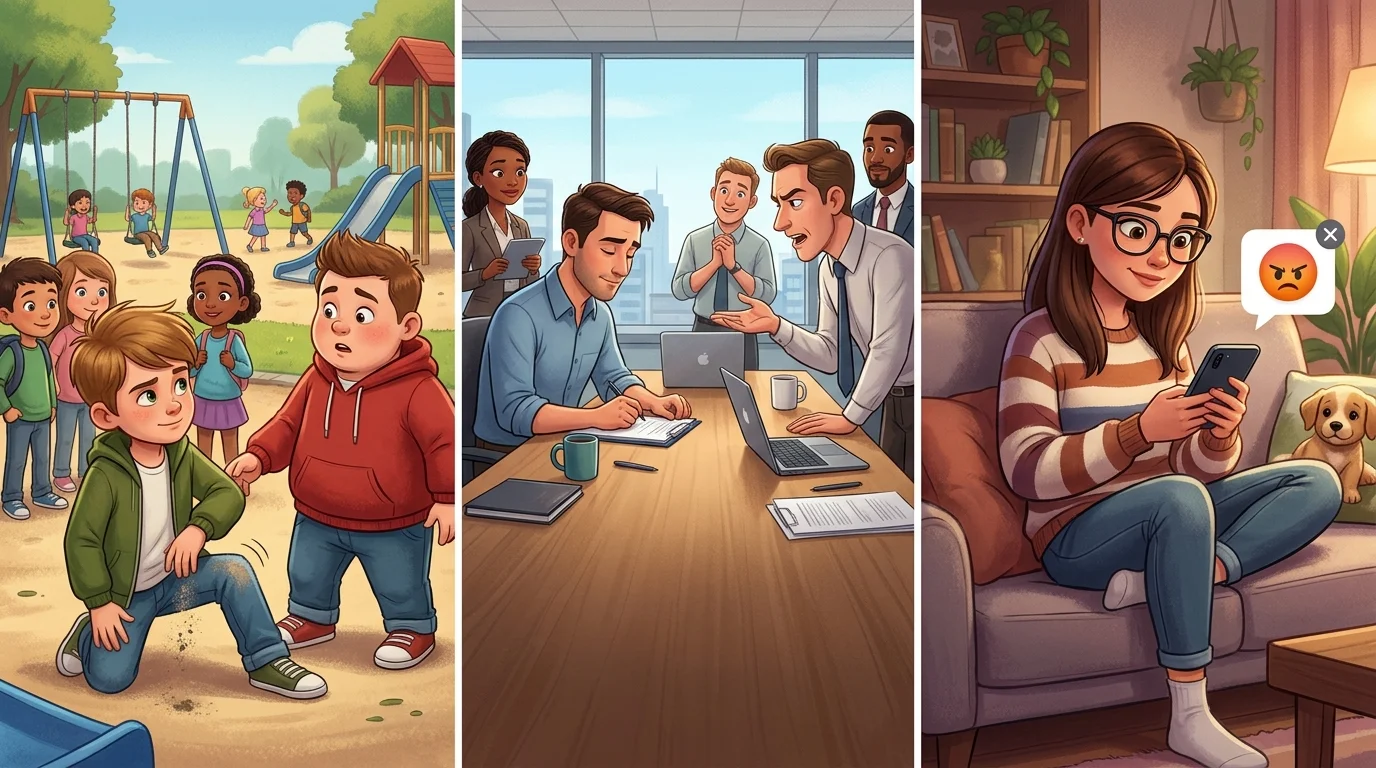
Turn the Other Cheek Meaning in Different Contexts
Everyday Conversations
People use the idiom when encouraging someone not to respond angrily to criticism or insults.
Example:
“Ignore the rude comment and turn the other cheek.”
Workplace
Employees may choose to remain professional instead of responding emotionally to criticism or conflict.
Family Relationships
Parents often teach children to avoid fighting and respond calmly to teasing or arguments.
Friendships
Friends may advise each other not to seek revenge after disagreements.
Religious Discussions
The phrase is closely associated with Christian teachings about forgiveness, mercy, and non-retaliation.
Literature and Movies
Characters who forgive instead of seeking revenge are often described as turning the other cheek.
Origin and History of Turn the Other Cheek
The expression turn the other cheek comes from the Bible, specifically the Gospel of Matthew 5:39, where Jesus teaches:
“If anyone slaps you on the right cheek, turn to them the other also.”
The teaching appears in the Sermon on the Mount and has traditionally been understood as encouraging forgiveness, nonviolence, humility, and resisting the desire for revenge. Over time, the phrase became a common English idiom used well beyond religious contexts.
How People Actually Use Turn the Other Cheek
Today, people use turn the other cheek in both literal and figurative discussions about handling conflict.
You’ll often hear it when talking about:
- Arguments.
- Bullying.
- Family disagreements.
- Workplace conflicts.
- Social media criticism.
- Personal relationships.
When to Use It
Use the phrase when someone:
- Chooses not to retaliate.
- Responds calmly to insults.
- Shows forgiveness.
- Avoids unnecessary conflict.
When Not to Use It
Avoid using the idiom to suggest that someone should:
- Accept ongoing abuse.
- Ignore serious crimes.
- Stay silent in dangerous situations.
- Avoid seeking legal protection when necessary.
Choosing peace does not mean tolerating harm or giving up your rights.
Real Examples of Turn the Other Cheek in Conversations
Example 1
Person A: He insulted me in front of everyone.
Person B: I’d turn the other cheek and move on.
Meaning: Don’t seek revenge.
Why it was used: Encouraging self-control.
Example 2
Person A: She apologized after yelling at me.
Person B: I’m glad you turned the other cheek.
Meaning: You forgave her.
Why it was used: Promoting forgiveness.
Example 3
Person A: Should I respond to the rude comment online?
Person B: Sometimes it’s better to turn the other cheek.
Meaning: Ignore unnecessary conflict.
Why it was used: Social media advice.
Example 4
Person A: He kept trying to start an argument.
Person B: I turned the other cheek and walked away.
Meaning: Avoided retaliation.
Why it was used: Peaceful response.
Example 5
Person A: Why didn’t she argue back?
Person B: She believes in turning the other cheek.
Meaning: She prefers forgiveness.
Why it was used: Explaining behavior.
Example 6
Person A: My coworker blamed me unfairly.
Person B: Staying calm was turning the other cheek.
Meaning: Responding professionally.
Why it was used: Workplace conflict.
Example 7
Person A: The neighbors were rude.
Person B: We decided to turn the other cheek.
Meaning: Avoid retaliation.
Why it was used: Community dispute.
Example 8
Person A: I wanted to get even.
Person B: Turning the other cheek takes more strength.
Meaning: Forgiveness over revenge.
Why it was used: Personal growth.
Example 9
Person A: He spread rumors about me.
Person B: You don’t have to respond to everything.
Meaning: Choose peace.
Why it was used: Handling gossip.
Example 10
Person A: Wasn’t that difficult?
Person B: Yes, but turning the other cheek helped avoid a bigger fight.
Meaning: Prevented escalation.
Why it was used: Conflict resolution.
Common Mistakes and Misunderstandings
People sometimes misunderstand this idiom.
Common misconceptions include:
- Thinking it means accepting abuse.
- Believing it requires never defending yourself.
- Assuming it means avoiding all conflict.
- Using it to discourage reporting harmful behavior.
In reality, the phrase generally encourages responding with restraint rather than revenge. It does not mean ignoring personal safety or justice.
Similar Idioms and Related Expressions
| Expression | Meaning | Difference |
|---|---|---|
| Forgive and forget | Move on after being hurt | Focuses on forgiveness |
| Let it go | Stop dwelling on something | Less about retaliation |
| Take the high road | Act with integrity | Broader moral choice |
| Keep the peace | Avoid conflict | Focuses on harmony |
| Bury the hatchet | End a disagreement | Usually mutual |
| Hold your tongue | Avoid speaking angrily | Focuses on words |
| Rise above it | Act with maturity | Similar idea |
| Don’t stoop to their level | Refuse to imitate bad behavior | Emphasizes self-respect |
| Make peace | Reconcile with someone | Mutual resolution |
| Practice forgiveness | Choose mercy | General expression |
Is Turn the Other Cheek Positive, Negative, or Neutral?
The turn the other cheek meaning is generally positive because it promotes patience, forgiveness, emotional maturity, and peaceful conflict resolution.
However, whether it’s the best response depends on the situation. In cases involving abuse, harassment, or danger, seeking help or legal protection may be the more appropriate choice.
Should You Use Turn the Other Cheek?
Use this idiom if:
- You’re encouraging forgiveness.
- You’re discussing peaceful conflict resolution.
- You’re writing about patience or self-control.
- You’re referring to its biblical or figurative meaning.
Avoid using it if:
- The situation involves ongoing abuse or violence.
- It could discourage someone from seeking help or protecting themselves.
Related posts:
 What Does “The Hierophant Meaning” Mean? Powerful Tarot Symbolism, Spiritual Insight & Life Guidance 2026
 711 Meaning Explained The Powerful Truth Behind Its Spiritual, Text & Hidden Meanings 2026
 Nolan Name Meaning Explained Amazing Guide to Origin, History, Personality & Symbolism 2026
 Beautiful Charlotte Meaning What Does Charlotte Mean, Origin, Personality & More 2026