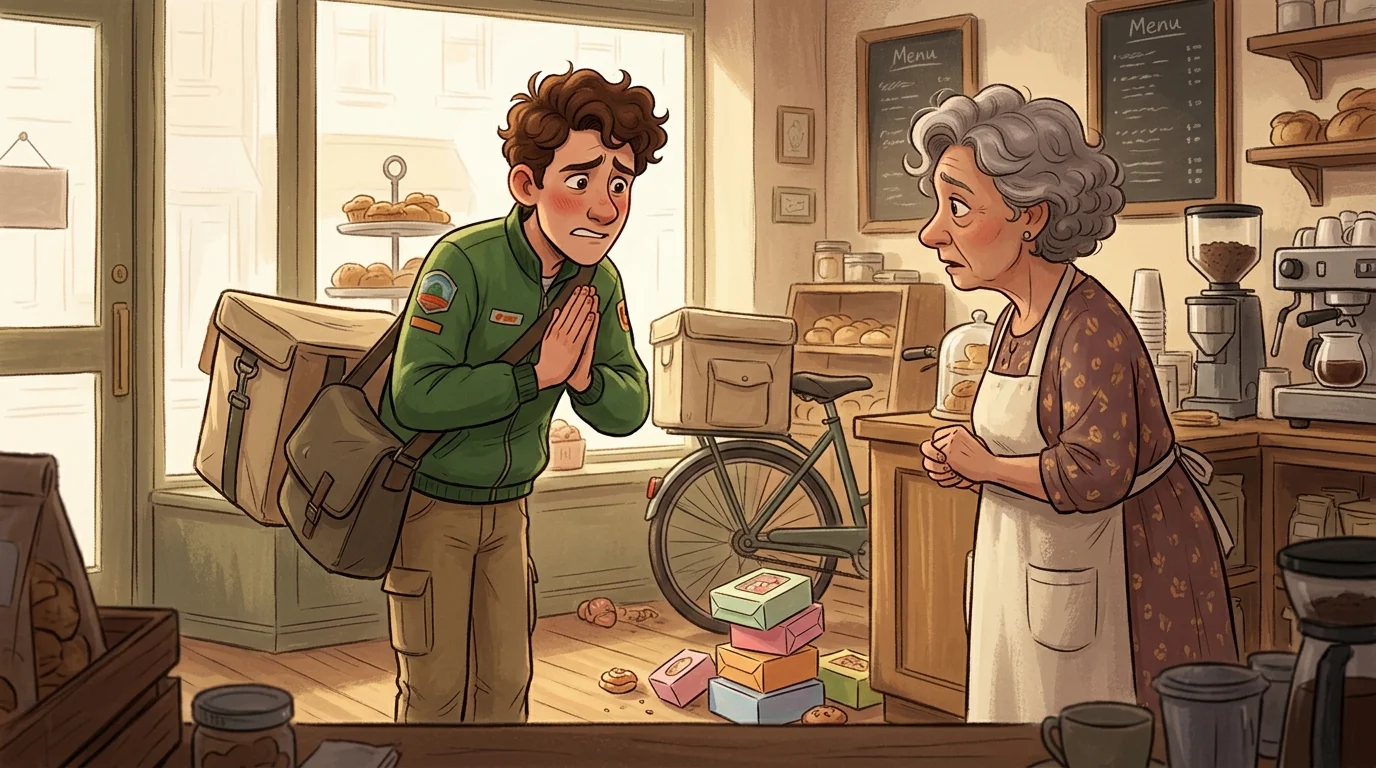
What Does “My Apologies” Mean?
Quick Definition
My apologies meaning: A polite expression that means “I am sorry” or “I apologize.”
Literal Meaning of My Apologies
The phrase literally means:
- My expression of regret
- My acknowledgment of a mistake
- My request for forgiveness
Example:
“My apologies for the late reply.”
Meaning:
“I am sorry for replying late.”
What It Usually Means in Text Messages
In texting, “my apologies” usually means:
- Sorry
- I made a mistake
- I understand there was an issue
It may sound more formal than normal texting language.
What Tone Does It Convey?
“My apologies” can sound:
Polite:
Showing respect.
Professional:
Common in work conversations.
Sincere:
Accepting responsibility.
Formal:
Less casual than “sorry.”
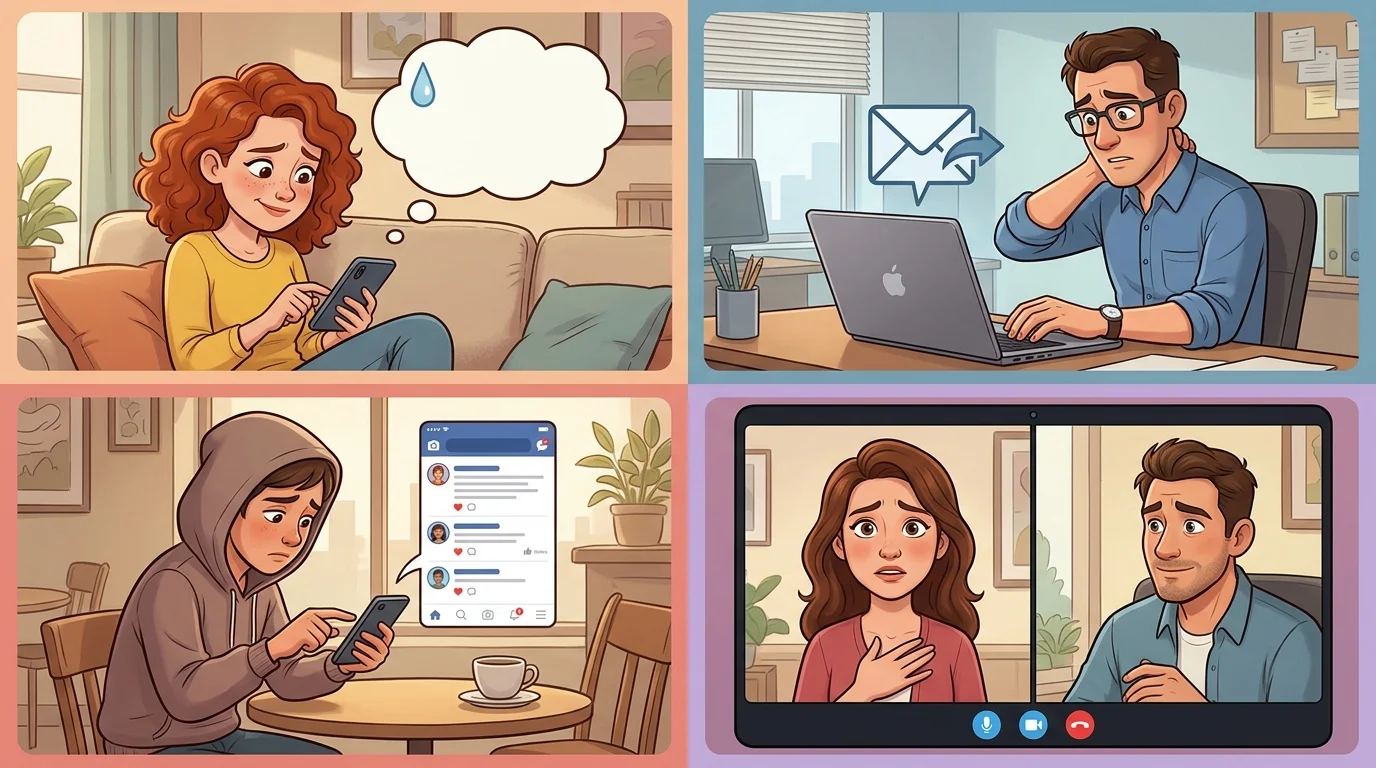
What Does “My Apologies” Mean on Different Platforms?
Text Messages
In texts, “my apologies” may be used when someone wants to sound respectful.
Example:
Person A:
“Why didn’t you respond?”
Person B:
“My apologies, I was busy.”
Meaning:
“Sorry, I was busy.”
Snapchat
On Snapchat, it is less common because Snapchat conversations are usually casual.
Someone using it may be joking, formal, or intentionally polite.
On Instagram, people may use “my apologies” in:
- Comments
- Messages
- Public replies
Example:
“My apologies, I misunderstood your post.”
Meaning:
“I’m sorry, I misunderstood.”
TikTok
On TikTok, the phrase may appear:
- Seriously
- Humorously
- As a dramatic joke
Example:
“My apologies, I forgot the trend.”
Discord
On Discord, “my apologies” may be used in:
- Gaming chats
- Group conversations
- Community discussions
It can sound respectful or playful.
Reddit users often use it in discussions when correcting mistakes.
Example:
“My apologies, I misunderstood the question.”
Meaning:
“I’m sorry, I got it wrong.”
Dating Apps
In dating conversations, “my apologies” may sound polite but slightly formal.
Example:
“My apologies for the late response.”
Meaning:
“Sorry I replied late.”
Origin and History of “My Apologies”
The phrase comes from the traditional use of “apology,” which originally meant a defense or explanation but later developed into the modern meaning of expressing regret.
Over time, “my apologies” became a polite phrase used in formal communication.
Today, it remains common in:
- Business writing
- Customer service
- Professional emails
- Respectful conversations
How People Actually Use “My Apologies”
Most people use “my apologies” when they want to say sorry in a respectful way.
You’ll often see it when:
- Someone makes a mistake
- Someone causes a delay
- Someone misunderstands something
- Someone wants to be polite
When to Use It
Use “my apologies” for:
- Work emails
- Formal messages
- Professional situations
- Respectful conversations
When Not to Use It
Avoid using it when:
- Talking casually with close friends
- A simple “sorry” sounds more natural
- The situation is playful
Example:
Friend:
“You ate my fries!”
Better:
“Sorry 😂”
Not:
“My apologies for consuming your fries.”
Real Examples of “My Apologies” in Conversations
Example 1: Late Reply
Person A:
“You took forever to respond.”
Person B:
“My apologies, I was working.”
Meaning:
Sorry for replying late.
Example 2: Mistake
Person A:
“You sent the wrong file.”
Person B:
“My apologies, I’ll send the correct one.”
Meaning:
Sorry, I made a mistake.
Example 3: Professional Email
Person A:
“The meeting time changed.”
Person B:
“My apologies for the confusion.”
Meaning:
Sorry about the misunderstanding.
Example 4: Customer Service
Person A:
“My order arrived late.”
Person B:
“My apologies for the inconvenience.”
Meaning:
Sorry for the problem.
Example 5: Casual Joke
Person A:
“You forgot my birthday!”
Person B:
“My apologies, dear friend.”
Meaning:
A funny, dramatic way to say sorry.
Example 6: Correction
Person A:
“That information was incorrect.”
Person B:
“My apologies, I misunderstood.”
Meaning:
Sorry, I was wrong.
Example 7: Group Chat
Person A:
“You missed the announcement.”
Person B:
“My apologies, I didn’t see it.”
Meaning:
Sorry, I missed it.
Example 8: Formal Request
Person A:
“Can you update the document?”
Person B:
“My apologies for the delay.”
Meaning:
Sorry it took time.
Example 9: Conversation
Person A:
“You interrupted me.”
Person B:
“My apologies, go ahead.”
Meaning:
Sorry, continue speaking.
Example 10: Online Discussion
Person A:
“You misunderstood my point.”
Person B:
“My apologies, I see what you mean now.”
Meaning:
Sorry, I understand now.
Common Mistakes and Misunderstandings
Mistake 1: Thinking It Means a Deep Apology
“My apologies” can be sincere, but it does not always mean a major apology.
Mistake 2: Using It Too Casually
The phrase can sound formal in relaxed conversations.
Mistake 3: Confusing It With an Excuse
An apology expresses regret. An excuse explains a reason.
Mistake 4: Thinking It Is Always More Sincere Than Sorry
The sincerity depends on the person and situation, not just the phrase.
Similar Terms and Related Phrases
| Phrase | Meaning | Difference |
|---|---|---|
| Sorry | Expression of regret | More casual |
| I apologize | Formal apology | Direct and clear |
| My bad | Casual mistake acknowledgment | Informal |
| Excuse me | Polite interruption or attention request | Not always an apology |
| Forgive me | Asking for forgiveness | Stronger emotion |
| Pardon me | Polite correction or interruption | More formal |
| I regret | Expressing sadness about something | More serious |
| Apologies | Short form of apology | Often professional |
| Sorry about that | Casual apology | Friendly tone |
| Mea culpa | Accepting fault | More formal/old-fashioned |
Is “My Apologies” Positive, Negative, or Neutral?
The my apologies meaning is generally neutral but often positive in communication.
It shows:
- Respect
- Responsibility
- Politeness
The situation causing the apology may be negative, but the phrase itself is respectful.
Should You Use “My Apologies”?
Use It If:
- Writing a professional message
- Apologizing respectfully
- Acknowledging a mistake
Avoid It If:
- Talking with close friends casually
- A simple “sorry” feels more natural
- You want a playful tone
Related posts:
 Patina Meaning Explained The Beautiful Truth Behind This Aged & Stylish Look 2026
 Flagship Meaning Explained Powerful Definition, Examples, Uses & Complete Guide 2026
 Contradicting Meaning Explained Ultimate Guide to the Clear Definition, Examples & Everyday Uses 2026
 Creatinine High Meaning The Best Ultimate Guide to Understanding High Creatinine Levels 2026