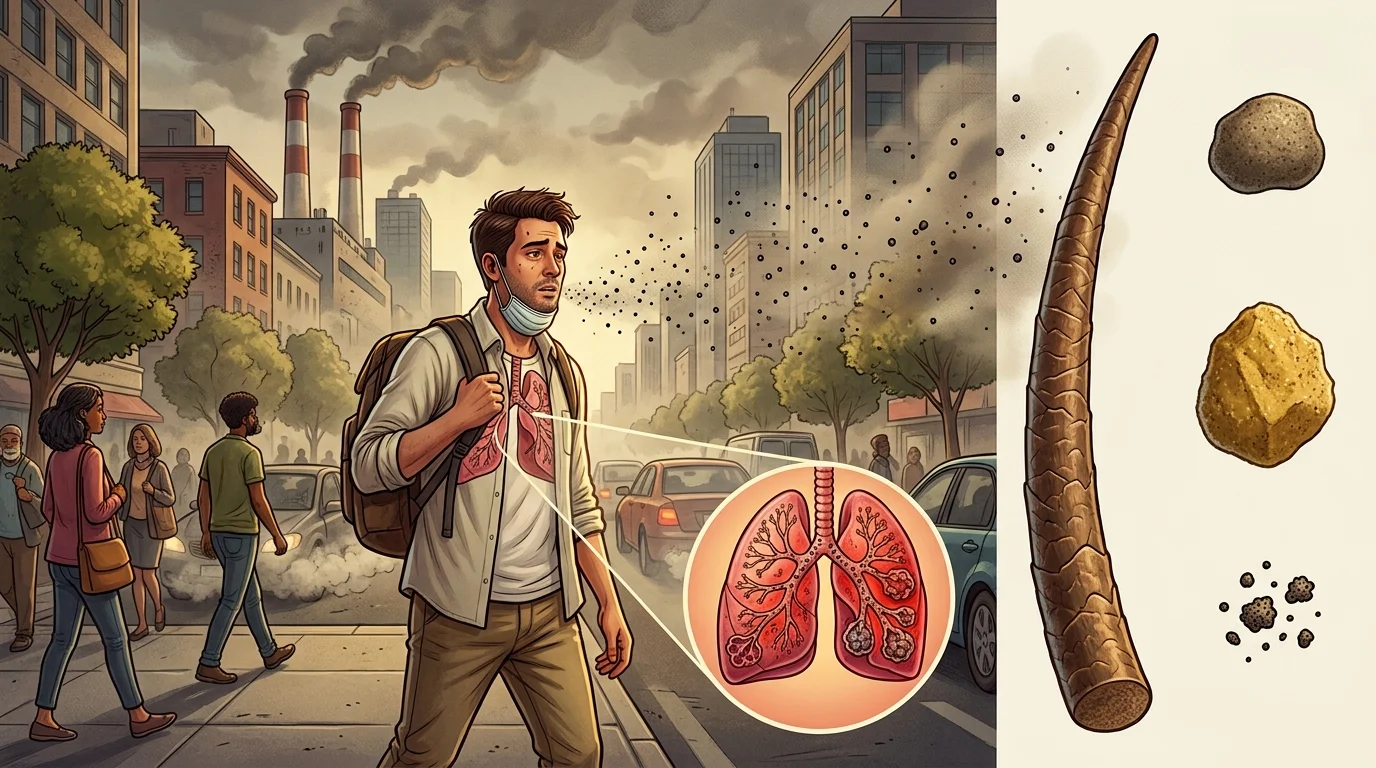
What Does PM2.5 Meaning Mean?
Quick Definition of PM2.5 Meaning
The PM2.5 meaning refers to tiny airborne particles that are 2.5 micrometers or smaller in size.
What Does PM Stand For?
PM means:
Particulate Matter
It describes tiny solid particles or liquid droplets that float in the air.
What Does the 2.5 Mean?
The number 2.5 refers to the particle diameter:
- 2.5 micrometers or smaller
- Much smaller than a human hair
Because of their tiny size, PM2.5 particles can travel deep into the respiratory system.
What Tone Does PM2.5 Convey?
PM2.5 is a scientific and environmental term.
Serious:
- Related to pollution and health
Technical:
- Used in science and air monitoring
Informative:
- Used in weather and environmental reports
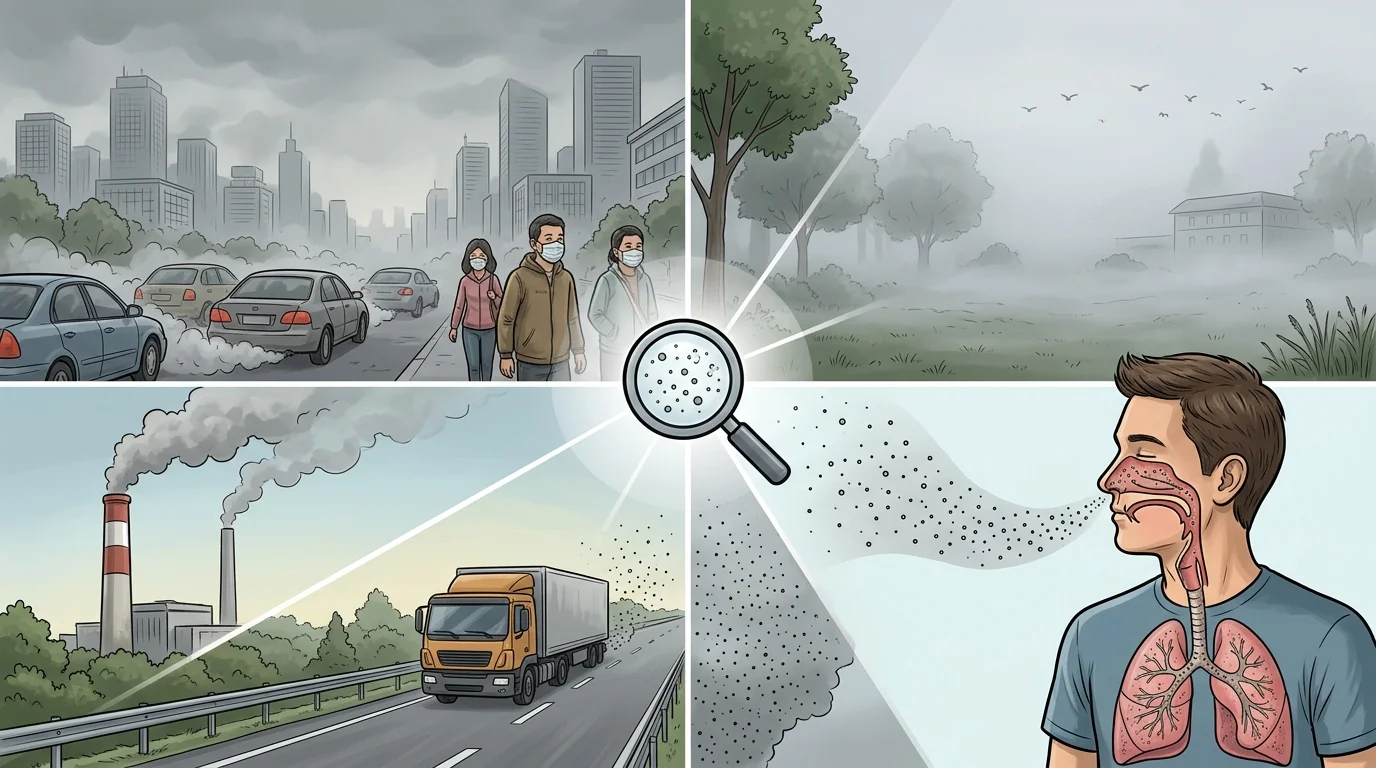
PM2.5 Meaning in Different Contexts
Air Quality Reports
In air quality reports, PM2.5 shows the concentration of fine particles in the air.
Example:
“PM2.5 levels are high today.”
Meaning:
There is a high amount of fine pollution particles.
Weather Apps
Weather and pollution apps often display PM2.5 levels to show air cleanliness.
Text Messages
In casual messages, PM2.5 may appear when people discuss:
- Pollution
- Smog
- Health concerns
- Air quality
Example:
“PM2.5 is bad today, wear a mask.”
Social Media
People often mention PM2.5 during:
- Pollution events
- Smog seasons
- Environmental discussions
Workplace
Businesses may discuss PM2.5 when talking about:
- Indoor air quality
- Safety standards
- Environmental policies
What Causes PM2.5 Pollution?
Common sources of PM2.5 include:
- Vehicle exhaust
- Factory emissions
- Wildfire smoke
- Burning coal or wood
- Construction dust
- Industrial activities
- Cigarette smoke
Natural sources can also include:
- Dust storms
- Volcanic activity
- Wildfires
How PM2.5 Affects Health
Because PM2.5 particles are very small, they can enter the lungs and may affect the body.
High exposure may be associated with:
- Breathing problems
- Eye irritation
- Coughing
- Reduced air quality conditions
People who may be more sensitive include:
- Children
- Older adults
- People with existing breathing issues
How People Actually Use PM2.5
Most people use PM2.5 when talking about air pollution and environmental conditions.
When to Use It
Use PM2.5 when:
- Discussing air quality.
- Checking pollution levels.
- Talking about environmental issues.
- Explaining health concerns.
Examples:
- “The PM2.5 level is high today.”
- “Check PM2.5 before exercising outside.”
When Not to Use It
Avoid using PM2.5 when:
- You simply mean weather.
- You are talking about general temperature or humidity.
PM2.5 specifically refers to tiny particles in the air.
Most People Use It When…
People commonly use PM2.5 in:
- Environmental discussions
- Health articles
- Weather apps
- Pollution reports
Real Examples of PM2.5 in Conversations
Example 1: Weather
Person A:
“Why does the air look cloudy?”
Person B:
“PM2.5 levels are high.”
Meaning:
Fine particles are affecting air quality.
Why it was used:
Air pollution discussion.
Example 2: Outdoor Activity
Person A:
“Are you going for a run?”
Person B:
“Not today, PM2.5 is too high.”
Meaning:
Air pollution levels are concerning.
Why it was used:
Health decision.
Example 3: News
Person A:
“Why are people wearing masks?”
Person B:
“The PM2.5 level increased.”
Meaning:
Fine particles increased in the air.
Why it was used:
Pollution explanation.
Example 4: Home
Person A:
“Why did you buy an air purifier?”
Person B:
“To reduce indoor PM2.5.”
Meaning:
To lower fine particle pollution.
Why it was used:
Indoor air quality.
Common Mistakes and Misunderstandings
Thinking PM2.5 Is a Gas
PM2.5 refers to particles, not gases.
Thinking Bigger Numbers Mean Bigger Particles
The number refers to size, not the amount of pollution.
Confusing PM2.5 With Weather
PM2.5 is related to air pollution, not temperature or rain.
Similar Terms and Related Words
| Term | Meaning | Difference |
|---|---|---|
| PM2.5 | Fine particles ≤2.5 micrometers | Main term |
| PM10 | Particles ≤10 micrometers | Larger particles |
| Air Quality Index (AQI) | Air pollution rating | Overall measurement |
| Pollution | Harmful substances in environment | Broader term |
| Smog | Polluted air mixture | Visible pollution |
| Emissions | Substances released into air | Pollution source |
| Particles | Tiny matter pieces | General category |
| Aerosols | Suspended particles/droplets | Broader scientific term |
Is PM2.5 Positive, Negative, or Neutral?
PM2.5 is a neutral scientific term.
However, high PM2.5 levels are generally considered negative because they indicate poorer air quality.
The term itself is simply a measurement.
Should You Use PM2.5?
Use It If:
- Talking about air pollution.
- Discussing health and environment.
- Reading air quality data.
- Explaining pollution levels.
Avoid It If:
- A simpler explanation is needed for someone unfamiliar with science terms.
- You mean general weather conditions.
Related posts:
 Bubba Meaning Revealed The Surprising Story Behind This Friendly Nickname 2026
 Gloomy Meaning Explained Powerful Definition, Examples, Feelings & Complete Guide 2026
 Proclivity Meaning Explained Powerful Guide to Definition, Examples & Everyday Uses 2026
 Rainbow Moonstone Meaning The Best Ultimate Guide to Its Powerful Symbolism, Benefits & Spiritual Uses 2026